
How smart automation drives profit for pool pros
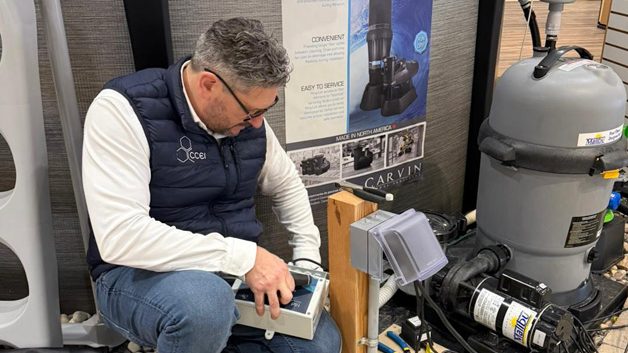
There are millions of pools in the ground across North America, and a large portion of them are running on outdated equipment with no connectivity, no remote monitoring, and no automated chemical control. For pool builders and service professionals, that backlog of aging infrastructure is not a problem; it is a pipeline. Smart automation technology has matured to the point where a straightforward upgrade conversation can add thousands of dollars in revenue per project, differentiate one’s business from competitors, and lock in long-term service agreements that compound over time.
The market is clearly moving toward automation. Homeowners who already control their thermostat, security cameras, and front door lock from their phones are asking why their pool is not connected, too. The professionals who can answer that question, and back it up with a clear recommendation and a clean installation, are winning the renovation and service business that others are leaving on the table.
One app, total backyard control
Modern pool automation systems give homeowners a single app to manage everything: pool and spa heater setpoints, variable-speed pump (VSP) schedules, LED lighting scenes, water features, fire bowls, irrigation, and chemical dosing—all from their smartphone. The interface is intuitive enough that clients need no training. They can confirm their pump has shut off before bed, fire up the spa on the drive home, or set a custom light show for a backyard party without touching a button on the equipment pad.
“Many first-time pool owners are consumers who are 25 to 40 years old, and that demographic generally prefers to control everything with an app on their phone,” says Tony Guagliardo, vice president of sales for Carvin Pools, a Quebec-based manufacturer of above-ground pools and equipment, overseeing sales in the United States.
Typical buyers already manage most aspects of their daily routines through their phones, says Guagliardo. Whether it is their alarm system, heating and cooling, irrigation, or even fitness tracking, automation systems are increasingly expected to deliver simple, accessible control at a price point that aligns with consumer demand.
For pool professionals, this is a selling point that closes deals. Consumers have been conditioned by smart home devices to expect app-based control of everything in their lives. When retailers demonstrate how a pool—often the largest investment in their client’s backyard—can be fully connected, the conversation changes. They are no longer selling equipment; they are selling a lifestyle upgrade.
“Our dealers can offer this automation system for an extra $1,400 to $1,600 to give consumers control of their pool’s heater, pump, and lighting. Automation systems can also accommodate chemical dosing systems if the consumer wants to control their water sanitization,” says Guagliardo, whose company is positioning automation systems as an upsell option for any pool type. “We are finding that people are very attracted to the fact that this is an app-based automation system that can be quickly downloaded to their phone for free with no subscription fees, and that the app will allow them to control aspects of their pool from the palm of their hand.”
From a retail standpoint, this simple, affordable automation system with a free phone app has made it easy to start selling this upgrade for pools.
“This spring we just started introducing this upsell automation system, and it has already been very successful,” says Guagliardo. “Six pool stores recently installed these systems on their retail show floors and saw immediate sales results. The system is easy to demonstrate to retail customers.”
Top benefits of pool automation upgrades |
| Remote control: Manage pumps, heaters, lights, water features, and chemical dosing from a smartphone. |
| Energy efficiency: Optimize pump schedules and monitor equipment performance in real time to save on energy costs. |
| Water quality assurance: Automated pH and oxidation-reduction potential (ORP) monitoring keeps water balanced between service visits. |
| Early problem detection: Receive alerts for equipment issues or abnormal water conditions before they escalate. |
| All-in-one app convenience: Single, easy-to-use app with no subscription fees. |
The efficiency upgrade that opens the door
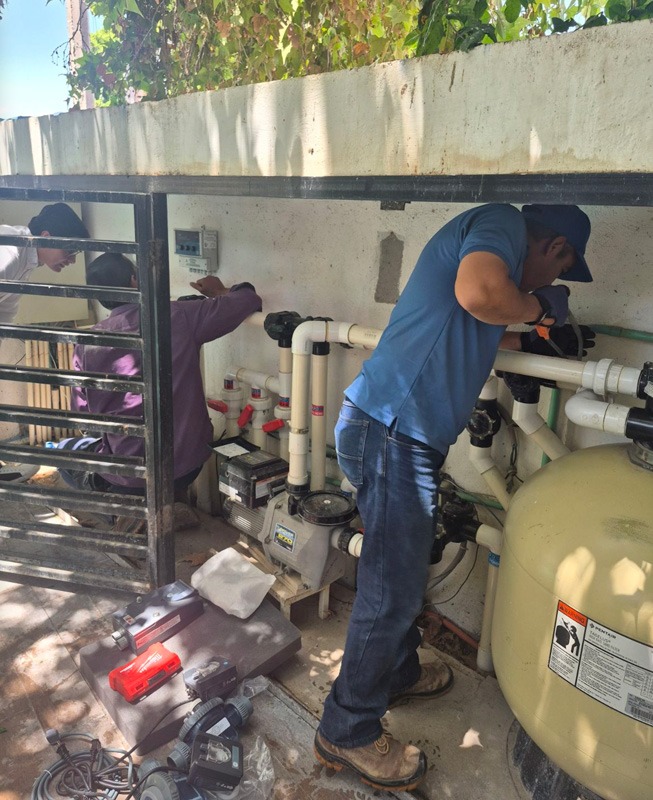
Now that VSPs have become the norm, what makes the VSP upgrade genuinely powerful is wireless integration. New wireless automation devices allow service and installation professionals to connect these pumps directly into a pool’s automation ecosystem, enabling remote speed adjustments, energy-optimized scheduling, and real-time performance monitoring, all through the same app the homeowner already uses. This integration also provides a diagnostic edge: if a pump is working harder than expected during a low-demand window, it can indicate a clogged filter, a valve issue, or an early equipment failure—allowing issues to be addressed before they escalate into major repairs.
The service call that pays for itself
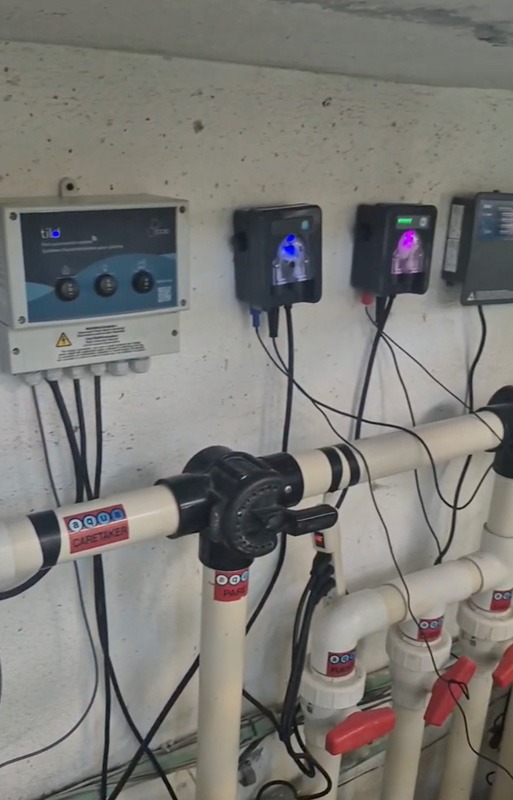
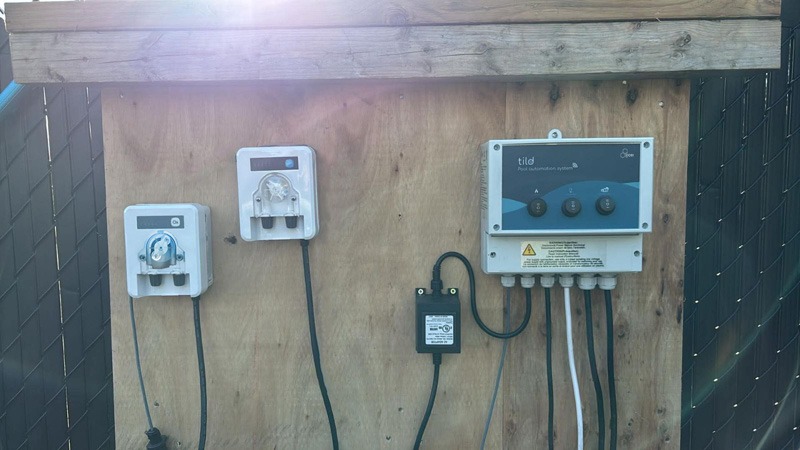
Automated pH and oxidation-reduction potential (ORP) monitoring and dosing is where automation delivers its clearest, most quantifiable value for both the homeowner and the service professional. These systems continuously measure chemical levels and automatically dispense acid or sanitizer to keep the water in range around the clock, between service visits, without homeowner intervention.
For service professionals, the business case is direct: automated chemistry reduces emergency callbacks, protects equipment from damage caused by chronically imbalanced water, and, in plaster pools, can prevent repairs that run into the thousands of dollars. For clients with salt chlorine generators, which make up a significant and growing portion of the installed base, pH management is particularly critical. Scale build-up from improper pH levels shuts down the chlorine generator, and that service call is one of the most common complaints in the industry.
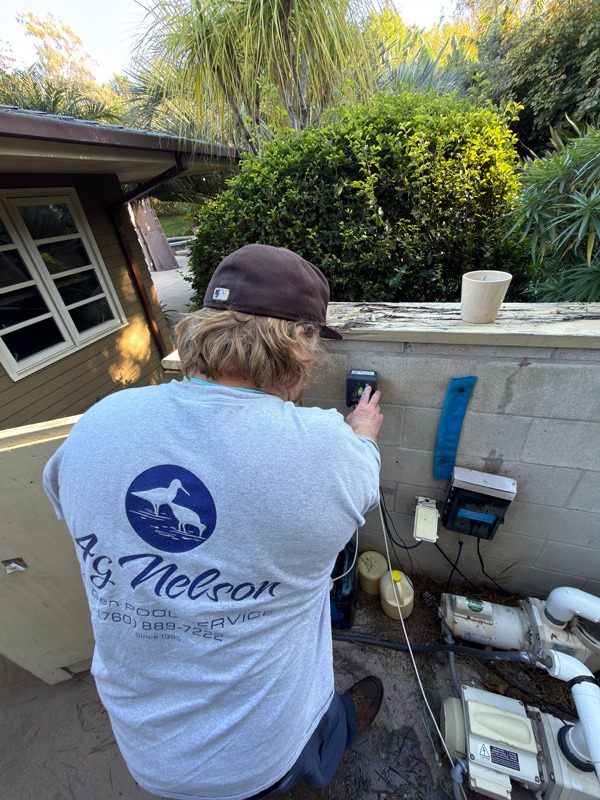
Compact pH controllers—some small enough to fit on any equipment pad regardless of how tight the space—connect to the homeowner’s app and send push notifications if water chemistry drifts out of range. The client gets an alert to replenish the acid reservoir and professional avoids an unscheduled trip. ORP-based dosing systems work in parallel, continuously monitoring sanitizer effectiveness and automatically dispensing chlorine or oxidizer to maintain safe, clear water. The result is a pool that stays in balance between service visits, which is a direct selling point for service professionals looking to justify premium service contracts.
The dealer portal: Managing the business from a dashboard
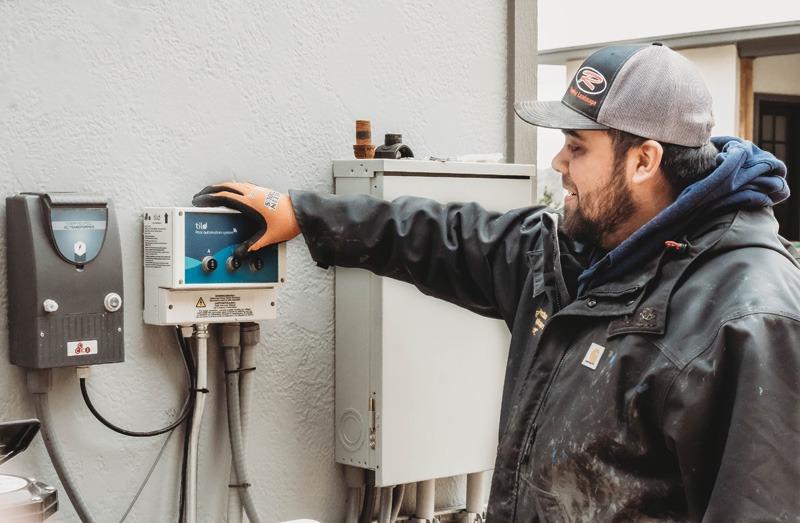
For service companies managing dozens of accounts, the professional monitoring portal may be the most operationally significant feature of modern pool automation. These platforms aggregate data from all connected pools into a single dashboard, giving service professionals real-time visibility into water chemistry readings, equipment status, pump performance, and chemical feeder levels across their entire client base.
The workflow shift this enables is significant. Instead of arriving at a pool to discover imbalanced water, a non-functioning light, or a tripped pump, a technician can start the day by scanning the dashboard, flag any accounts showing out-of-range conditions or equipment alarms, and route the day accordingly. Reactive service becomes proactive, data-driven pool care, which means fewer surprises, more efficient routes, and stronger client retention. The professional who calls a customer before they even know there’s a problem builds a level of trust that is very difficult for a competitor to displace.
Guagliardo also sees great potential for service companies looking to offer this simple and affordable automation system to all their service clients whose pools were built without automation.
“Not only does it offer a quick revenue stream for installation on any existing pool, but it also offers the service office the ability to monitor all the pools they service 24/7 on a computer,” says Guagliardo, who feels simple automation systems with back-end monitoring provide a phenomenal opportunity for service companies to increase efficiency and customer satisfaction.
“With back-end monitoring, service technicians can ensure they have the right parts, equipment, and expertise to tackle the job before going to the jobsite,” says Guagliardo. “Service companies can potentially charge more for the monitoring system or charge the same, but visit the pool less often, which saves service companies fuel and labour costs, in addition to providing superior service to pool owners, in turn helping those service companies stand out from competitors.”
Renovation, loyalty, and recurring income
For pool builders and service professionals, automation is not a single-transaction add-on; it is a recurring revenue and retention strategy. A pool owner who has their backyard connected via an app, monitored by their service provider, and running optimized chemical and energy management is far less likely to shop around for a cheaper service rate. They have a relationship with their system, and by extension, with the professional who set it up and supports it.
Renovation projects that include automation upgrades, such as a new VSP, a pH or ORP dosing controller, or a wireless automation system with app integration, command meaningfully higher ticket values than equipment swaps alone. And because the connected pool generates ongoing data and monitoring needs, each installation creates a natural entry point for a premium service contract. The off-season is an ideal time for retailers to evaluate which automation platforms best align with their business model, market, and clients’ comfort level with technology—ensuring they enter the season with solutions in place rather than responding to emerging demand.
How pool automation helps service pros |
| Proactive service: Remote monitoring enables technicians to address issues before they become emergencies. |
| Route efficiency: Plan service visits based on real-time data rather than routine guesswork. |
| Higher revenue: Sell automation as an upgrade and secure more profitable service agreements. |
| Customer loyalty: Deliver a more personalized, tech-forward experience. |
Author

Martin Grenier is the Canadian commercial sales manager for CCEI, a manufacturer of automation and controller systems integrated by the CCEI Vigipool app available in the United States. The company also offers its lighting systems in Canada, Mexico, Europe, and Africa. CCEI’s head office is located in France. Grenier has more than 10 years of experience in the swimming pool industry, having worked for Hayward for over seven years and held other positions in retail and distribution. He can be reached at mgrenier@ccei-pool.com.
Sign up for our newsletter
Get all the latest news and features from Pool & Spa Marketing. Submit your email below to get our twice-monthly newsletter.
Products



Read the Latest Issue