
Scaling without compromise: The case for centralized pool operations in multifacility aquatic programs
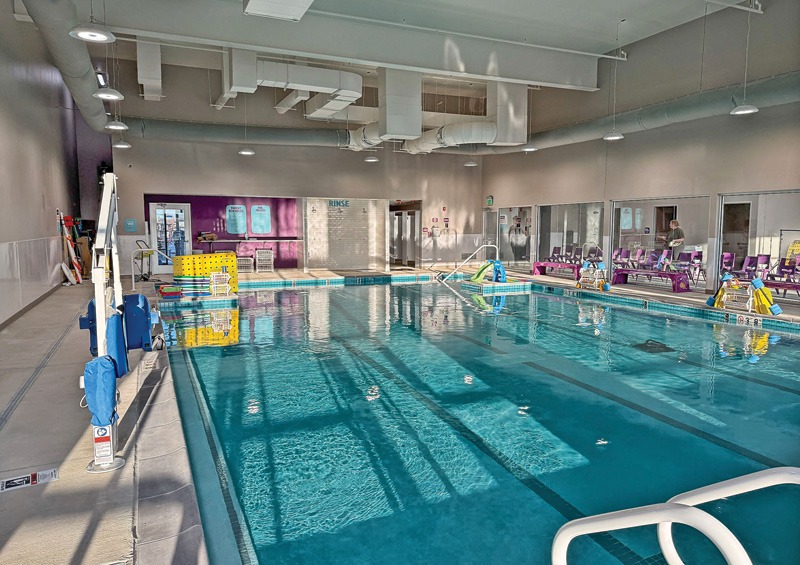
When Emler Swim School, a multilocation swim instruction program operating indoor pools, began experiencing inconsistent water chemistry, unreliable air quality, and unpredictable service response times, leadership determined the issue was structural, not operational. Centralizing aquatic maintenance reshaped the organization’s performance, cost controls, and long-term scalability.
Background: A growing program facing growing pains
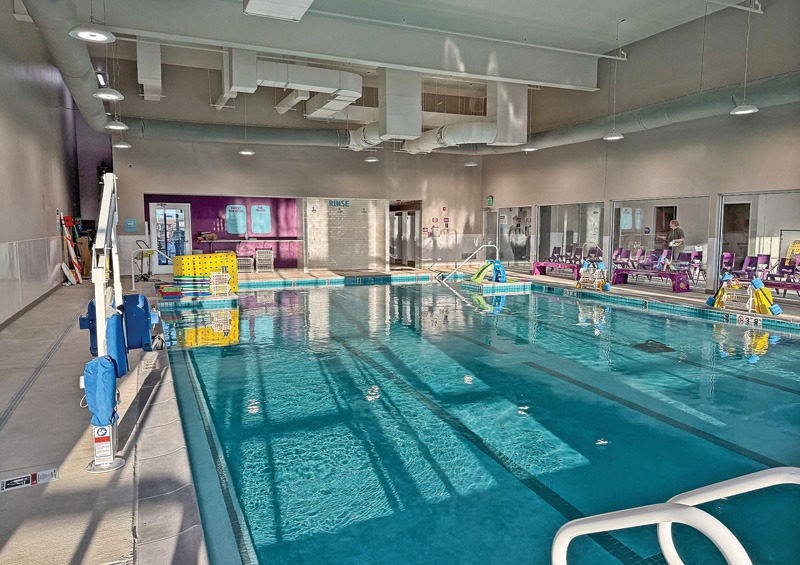
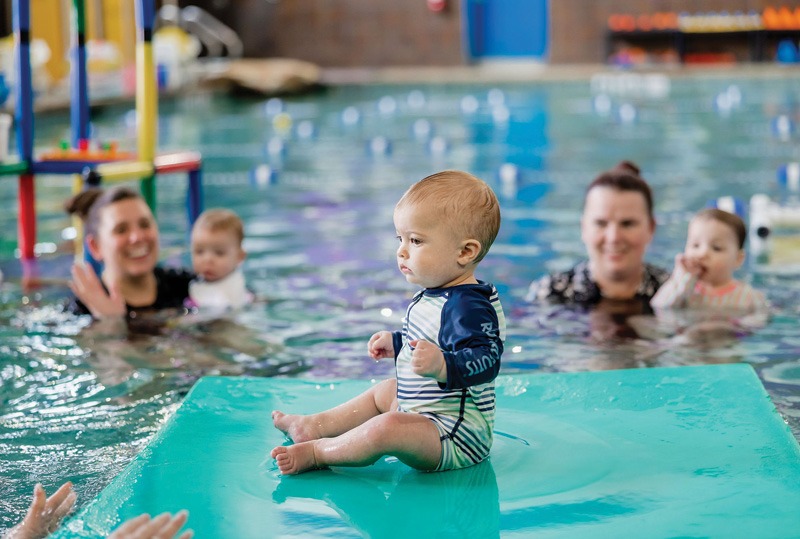
One of North America’s largest privately operated swim instruction programs has been teaching children and adults to swim since 1975. Today, the organization serves tens of thousands of students per week. Each facility operates a heated indoor pool, maintained year-round at approximately 32 C (90 F), providing a consistent, comfortable environment central to its instructional model.
Sustaining that promise across all their facilities is no small feat. Indoor pools at that temperature place relentless demands on water chemistry management, indoor air quality (IAQ) systems, and mechanical equipment. For years, Emler relied on a combination of in-house staff and independent local contractors to meet these demands. That approach, while manageable at a smaller scale, began showing cracks as the organization expanded.
“When selecting a provider, it was important to us that they deliver the same level of customer service to us that we provide to our customers. Our pools and the environments they operate in are critical to our business, so we needed a partner who takes that responsibility seriously from a preventative maintenance standpoint and when equipment issues arise,” says Craig Kinney, senior vice-president and strategic planning of Emler Swim Schools.
The challenge: Inconsistency at scale
The core operational risk for a swim school is pool closure. A shut-down pool means cancelled lessons, disappointed families, and direct revenue loss.
While some locations ran smoothly, others experienced recurring problems with water chemistry imbalances, malfunctioning UV equipment, and heaters that failed to maintain the school’s required 90-degree water temperature.
The root cause was inconsistent service quality. The calibre of local aquatic maintenance providers varied dramatically from market to market.
Some locations were well-served; others relied on solo operators, however competent, who lacked the capacity to respond to emergencies. Single service providers can rarely guarantee a same-day response, let alone a same-week response. For a program built on the promise of uninterrupted daily swim instruction, waiting up to a week for a service call was simply not tenable.
Key takeaways for multifacility aquatic programs
- Decentralized maintenance compounds risk as organizations grow. Local vendor quality varies widely, and a single weak link can lead to closures, safety incidents, or reputational damage.
- Proactive remote monitoring is a game-changer. The ability to detect and respond to chemical or equipment issues before they cause closures fundamentally shifts the operational calculus.
- Scale creates purchasing leverage. Multi-facility organizations should use their collective volume to negotiate standardized chemical pricing and supply chain reliability — most are leaving money on the table.
- Guaranteed response times belong in every service contract. A six-hour emergency response commitment is a reasonable standard; organizations accepting anything less are taking on unnecessary risk.
- Preventive maintenance is a capital strategy. Consistently maintained equipment lasts longer. The cost of a structured maintenance program is almost always lower than the cost of accelerated equipment replacement.
The catalyst: Water treatment and chemical cost visibility
The organizational trigger for change was the inconsistency in water treatment and the variability in chemical costs and availability. Following an ownership transition, a review of operating costs quickly identified significant variability in pool chemical pricing and maintenance expenditures across locations. In some markets, the school was paying nearly twice as much for the same water-treatment chemicals.
The analysis made the case clear: the swim school had scaled its footprint without scaling its operational infrastructure.
Standardizing systems, protocols, and vendor relationships was not merely a best practice; it was a financial imperative. The organization began evaluating centralized aquatic service models and, in October 2025, formalized a partnership with a single national provider.

The solution: Centralized service, standardized protocols
Partnering with a national aquatic service provider allowed the organization to standardize protocols across most of its facilities, improve response time commitments, and consolidate its purchasing power.
Emler Swim School selected a centralized aquatic maintenance program, AquatiCare, from a national commercial pool service provider with more than 60 years of experience serving aquatic facilities across multiple markets, helping them shift from reactive to preventive maintenance. The centralized service model has helped hundreds of aquatic facilities take a proactive approach to pool management, allowing individual facilities such as Emler Swim School to customize their specific facility needs.
The service provider’s technicians are all certified pool operators (CPOs) who are current on all industry, safety, and technology standards. Additionally, the team is trained in major pump rooms and mechanical systems, enabling the technicians to perform comprehensive maintenance on chemical, deck, and mechanical items, supporting equipment longevity and efficient water management. The goal is to ensure the swim school’s pools are safe and properly maintained, allowing staff to concentrate on programming and teaching students.
Operational impact: From reactive closures to consistent uptime
The shift to a centralized model has produced measurable results. For example, Emler’s centralized service agreement guarantees a six-hour response time for emergency calls, an improvement over the days or weeks that on-call local contractors sometimes required. Chemical deliveries are guaranteed within 24 to 48 hours across all service regions, eliminating distribution bottlenecks that previously caused shortages at some facilities.
Perhaps most significantly, the centralized service model has helped reduce disruptions to swim lessons. In the past, occasional pool closures, sometimes related to equipment or other operational factors, could interrupt programming.
Cost standardization and supply chain control
Beyond service reliability, the partnership with the centralized service provider has reshaped how Emler manages procurement. By consolidating chemical purchases through a single provider, the organization now benefits from volume pricing previously unavailable at the individual location level.
Chemical costs have been standardized across all markets, narrowing the price gaps that existed under the decentralized model. The service provider’s supply chain infrastructure also mitigates a less visible but significant operational risk: product availability. Under the previous model, some locations struggled to access certain chemical products or brands due to regional distribution constraints. The service provider’s national supply network removes that constraint, ensuring consistent product delivery across service regions.
Equipment reliability and preventive maintenance
Water chemistry is only one aspect of aquatic facility performance. The mechanical systems that keep pools operational—pumps, filters, heaters, UV systems, and chemical controllers—require consistent, professional attention to operate reliably and cost-effectively throughout their expected service lives.
Under the previous decentralized model, deferred maintenance was common. UV bulbs burned out and went unreplaced. Heaters corroded prematurely. Sand filters were inconsistently cleaned. Pump rooms developed leaks that went unaddressed. These failures did not just cause operational disruptions; they shortened equipment life-cycles and increased replacement costs.
The centralized model addresses this through standardized maintenance schedules. Access to recognized CPO technicians and engineering expertise through the service provider’s engineering division enables Emler’s facilities to anticipate equipment issues before they become failures. When renovation is required, the service provider’s integrated design and construction capability makes planning and execution more coordinated—an operational advantage for an organization managing facilities across multiple regions.
Broader lessons: Beyond swim schools
The operational dynamics described here are not unique to swim instruction programs. Any multi-location organization operating aquatic facilities—fitness clubs, hotel chains, university recreation centres, or community recreation programs—faces the same underlying tension: the complexity of pool maintenance grows faster than headcount, and local vendors cannot always deliver the consistency that a regional or national brand requires.
The fitness club sector offers a particularly instructive parallel. National fitness clubs with pools and hot tubs across multiple markets have reported similar patterns: before centralizing maintenance, pools or spas were closed at any given time due to chemistry or equipment issues. After transitioning to a national service model, unplanned closures effectively ceased, and facility managers reported notable improvements in both water clarity and pump room reliability.
For organizations evaluating this transition, the business case typically rests on three pillars: service reliability (guaranteed response times and remote monitoring), cost standardization (volume-based pricing for chemicals and parts), and operational accountability (a single-vendor relationship with defined performance standards). For the swim school organization, the partnership with the centralized service provider has demonstrated measurable progress across all three areas. On-site staff can remain focused on programming and instruction while the centralized service provider manages water quality and equipment readiness.
Author
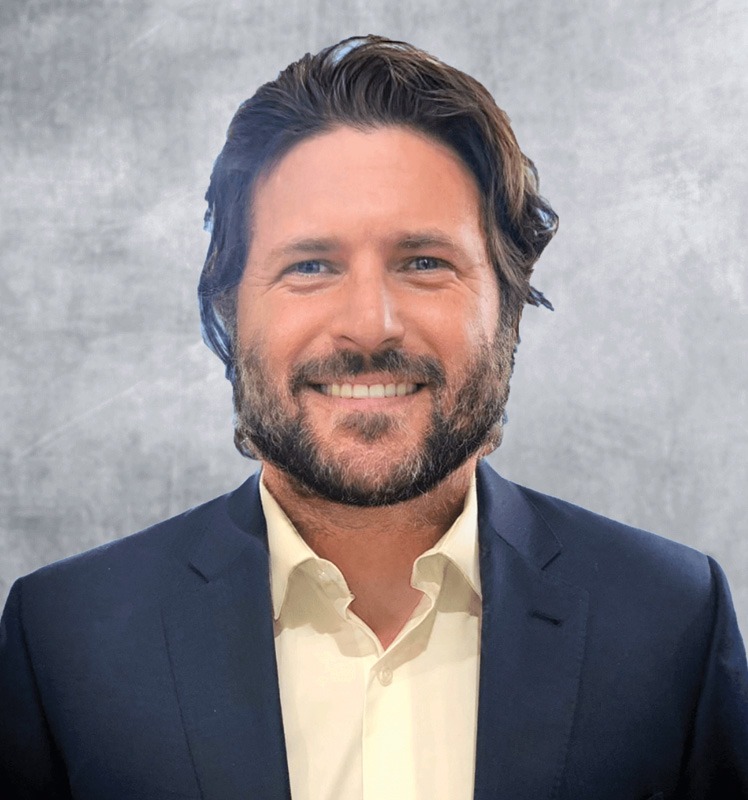
Myles Phelps is the vice- president of strategic partnerships for Landmark Aquatic, a nationwide provider of commercial aquatic facility design, construction, and maintenance services. An aquatics industry veteran, Phelps has over 14 years of experience, beginning behind the wheel of a chemical truck, which has given him a deep understanding of what it takes to keep aquatic facilities thriving. He can be reached via email at mphelps@landmarkaquatic.com.
Sign up for our newsletter
Get all the latest news and features from Pool & Spa Marketing. Submit your email below to get our twice-monthly newsletter.
Products
Read the Latest Issue