
Sustainability is a system: How the pool & spa industry can lead by design
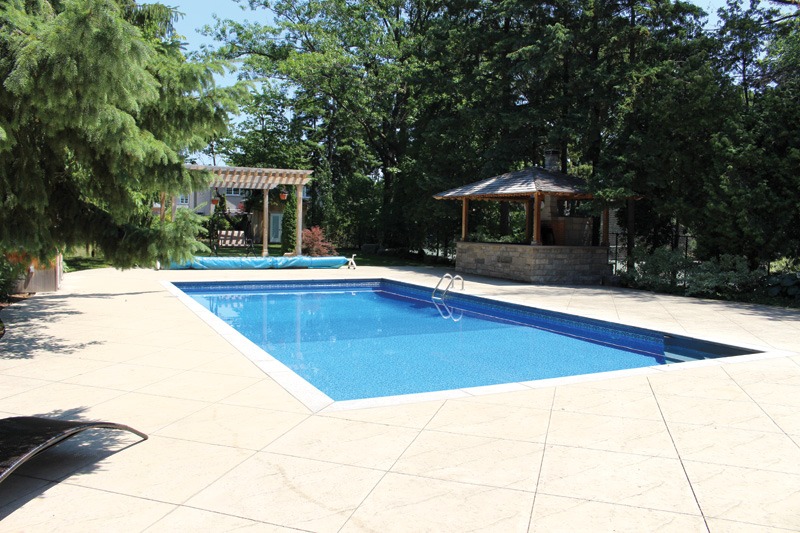
For years, sustainability and “being green” have hovered on the periphery of the pool and spa industry. It was something people mentioned at trade shows, added to brochures, or brought up when a customer asked about energy use and savings. It existed as a good idea, but not always a shared priority… but that has changed.
Across North America (and beyond), sustainability has moved from a marketing message to a design philosophy. The companies making the biggest strides are those that treat being green as a system, not a trend. These businesses have come to understand that being green is not a trend. It is a responsibility. The health of the planet depends on the choices people make, and the industry has a real opportunity to contribute to that solution.
Changing consumer expectations
Homeowners have helped accelerate this shift as well. They are more informed, more aware of how products are made, and more conscious of the costs involved in maintaining a backyard throughout the year. Today’s customers still seek comfort, performance, and a space that feels like an escape, but they also prioritize efficiency and durability. They want equipment that does not increase their utility bills. They prefer materials that are both durable and long-lasting. They look for water-care systems that simplify routines. They desire fewer surprises while feeling that they are making a difference.
When customers opt for greener choices, they are not just purchasing a product. They are buying the feeling of contributing to something larger than their own backyard. People like knowing their decisions matter. When a spa uses less energy or a pool system reduces water waste, homeowners take pride in their choices. It provides them with a sense of control and purpose. Psychologically, that is important. When individuals believe their actions have a positive effect, even on a small scale, it deepens their connection to the product and the brand from which they purchased it. It becomes more than just equipment. It becomes a choice they feel good about every time they use it.
Industry practices are evolving
Manufacturers across North America are also responding by rethinking how products are built from the earliest stages. Some have shifted to spa cabinetry made from recycled or reclaimed materials. Others are cutting emissions related to moulding and shell production by revisiting older methods and investing in new ones. Companies are also examining how smarter insulation packages, variable-speed pumps (VSPs), and more intuitive automation systems can improve energy profiles without sacrificing the homeowner’s experience. These design choices matter. They influence how a product performs not only on day one but also over the next decade.
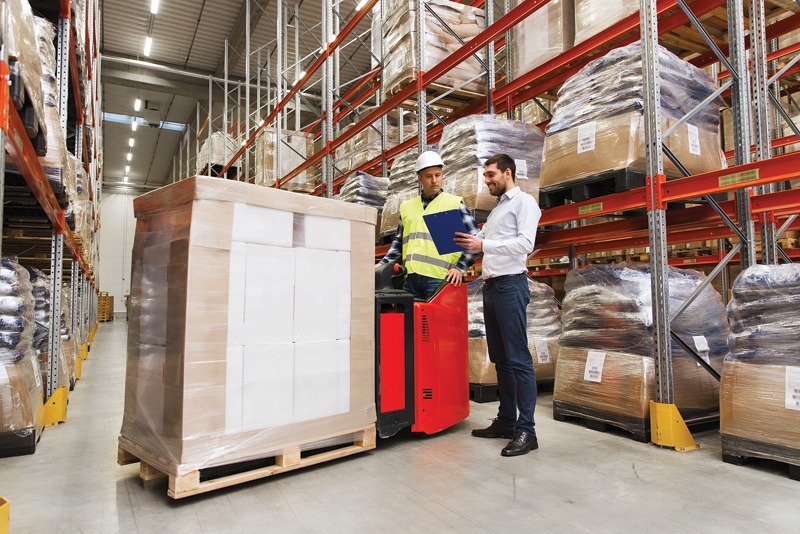
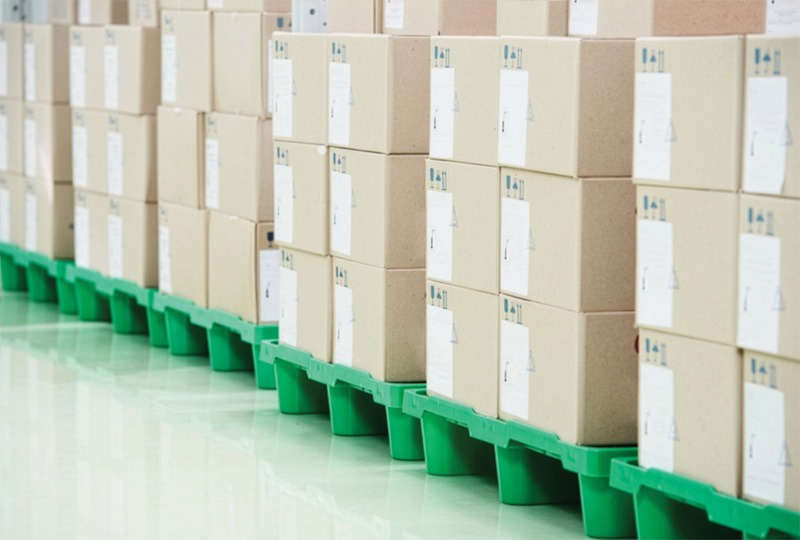
This idea of “designing for responsibility” is carried through the production process. Manufacturers are reviewing their packaging, warehouse logistics, and freight operations to optimize efficiency. Using lighter, recyclable packaging materials reduces waste and lowers shipping emissions. Improved pallet design enhances distribution efficiency. Modular components simplify repairs and extend product lifespan. These small choices become significant when implemented across an entire product range. This is where sustainability transforms from a concept to a practical reality.
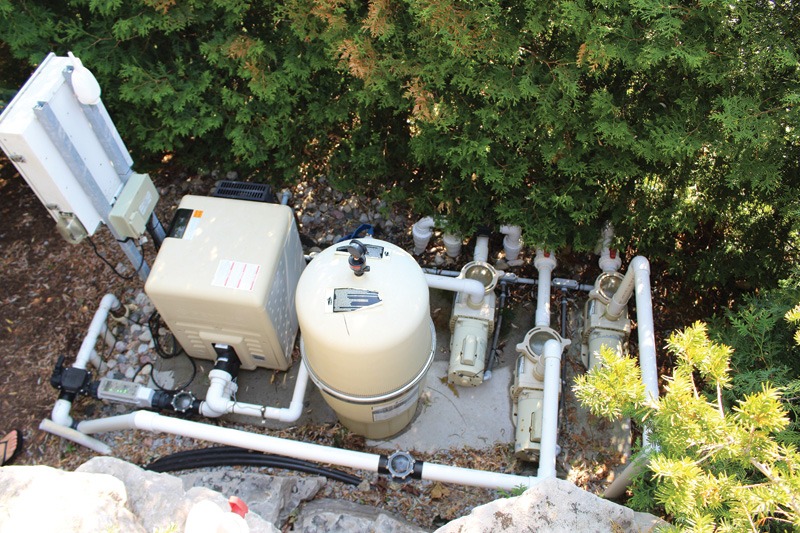
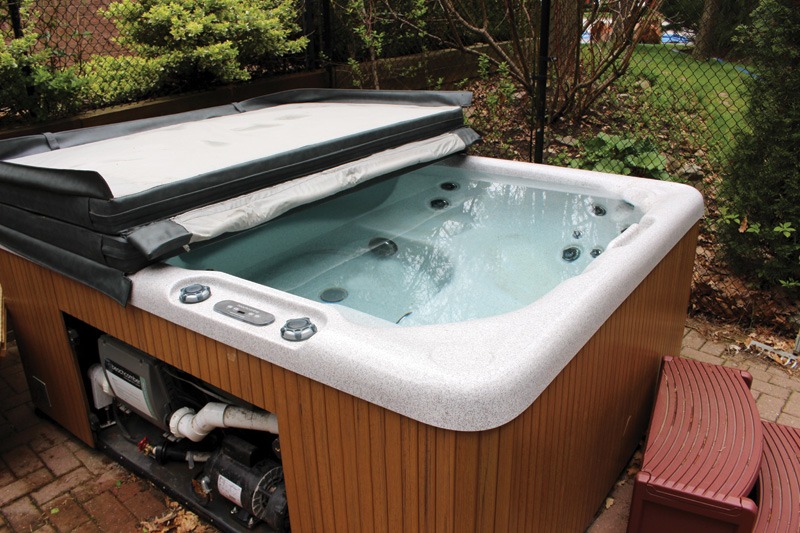
Efficiency extends to the field. Builders and installers influence sustainability in more ways than homeowners often realize. Their choices, such as plumbing runs, equipment placement, circulation rates, cover recommendations, and sanitation methods, all affect long-term energy consumption. A well-designed system has fewer inefficiencies. Shorter plumbing runs require less effort from pumps. Thoughtful equipment placement protects components and improves airflow. Using a cover lifter that keeps the cover aligned and secure enhances heat retention, reduces heater demand, and supports more stable water temperatures. Sustainability is not always driven by new technology; it often comes from better decisions made at every step of the process.
Retailers and service professionals also play a significant role. Sustainability strengthens when paired with education. When retailers understand the difference between a standard pump and a high-efficiency model, or between basic insulation and a performance insulation package, they can guide customers toward choices that support long-term performance. When service technicians have access to detailed documentation, updated manuals, compatible components, and clear troubleshooting paths, they minimize unnecessary part replacements. A technician who diagnoses correctly saves the homeowner money, reduces waste, and extends the product’s lifespan. Information is a key sustainability tool. Training is also essential. Both are often overlooked.
Distributors: The backbone of sustainable progress
Across both Canada and the United States, distributors have become the quiet backbone of this movement. They influence sustainability at multiple levels, often in ways that homeowners never see but the industry relies on.
Distributors promote sustainability by:
- Improving inventory flow by managing how products move through the supply chain, reducing delays and unnecessary handling.
- Sharing real-world insights with manufacturers when parts show early failure trends, preventing waste and enhancing design.
- Identifying installation challenges reported by dealers so training and resources can be updated before problems escalate.
- Consolidating freight into larger, strategic shipments that reduce the number of trucks on the road and lower emissions.
- Reducing transportation impact by switching from frequent partial loads to well-planned pallets that cut repeated travel cycles.
- Supporting dealer education by providing accurate product information, sustainability messaging, and updated technical materials.
- Strengthening supply-chain efficiency through coordinated ordering, improved forecasting, and better communication across regions.
These actions generate a quieter, behind-the-scenes sustainability impact that accumulates quickly. A single consolidated shipment can have a significantly reduced carbon footprint compared to multiple partial loads. When distributors operate with efficiency and communication at the forefront, the entire value chain becomes cleaner, smoother, and more sustainable.
Collaboration maximizes sustainability
The industry is built on partnerships. Original equipment manufacturers (OEM) relationships, dealer networks, service providers, supply-chain operations, and retail connections all play a role. When each part of the chain operates independently, progress slows down. When the chain is aligned, progress speeds up. Compatibility exemplifies this well. Manufacturers who design products that integrate seamlessly with existing equipment footprints, bracket placements, or plumbing standards make installation more efficient. This results in fewer modifications and less wasted materials. Additionally, better compatibility decreases shipping frequency because fewer incorrect parts need to be returned or exchanged. Although it may seem straightforward, proper alignment during the design phase has a significant impact on the entire industry.
Transparency aids collaboration
The industry advances further when companies share their learnings and support collective progress. If a business has no intention of competing in a specific category, there is real value in opening up the opportunity for collaboration. Manufacturers, distributors, retailers, and service teams can exchange ideas, speak openly about what is working, and even plan future improvements together. When information is shared freely without the threat of competition, innovation becomes easier, which in turn strengthens the industry and leads to increased sales and revenue.
Circular design naturally integrates into this kind of partnership. More Canadian companies are beginning to think beyond the initial sale and focus on the entire lifecycle of a product. They are developing spas and components that can be repaired, replaced, or repurposed rather than discarded. Some are implementing take-back programs, while others are adding modular panels and internal parts that prolong the system’s lifespan. This encourages a shift away from a “build it and discard it” approach toward a loop where materials are reused for a longer period.
Collaborating promotes this shift. When manufacturers share information, service teams can repair more and replace less. When retailers provide feedback on what homeowners value, companies can design products that last longer and perform better. This demonstrates how partnerships support both the environment and customers simultaneously. It truly is a team effort.
From a marketing (and public relations) perspective, this kind of alignment matters more than most people realize. When the entire value chain is united around responsible design, the message becomes consistent, believable, and easy for customers to trust. Brands do not have to “sell” sustainability; they demonstrate it through every touchpoint, from product performance to service support. That kind of clarity builds stronger storytelling, greater loyalty, and a reputation that grows (leading to more sales).
Operational sustainability: Moving beyond products
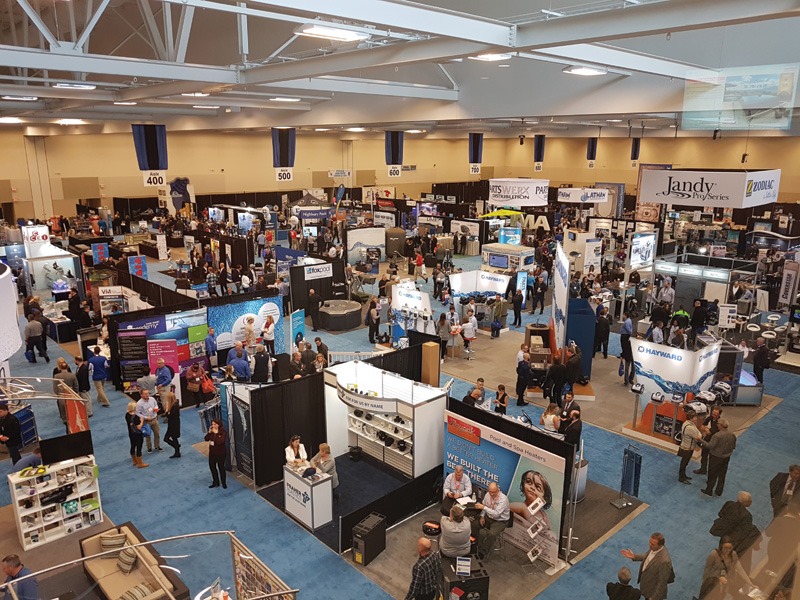
Beyond the products themselves, sustainability encompasses how a business operates. Companies are re-evaluating freight strategies, dealer support models, and warehouse operations. Some are transitioning to paperless workflows, while others are reconfiguring trade show materials to reduce waste. Some are implementing training programs that teach service teams how to communicate the value of sustainability in a way that resonates with real homeowner concerns without sounding insincere, because they genuinely believe in it. It is also advisable for organizations to produce a year-end sustainability report to highlight their efforts and set clear benchmarks and accountability for future progress.
Currently, there are many ways companies can be more environmentally friendly without altering any products, such as:
- Optimizing logistics by consolidating shipments, reducing partial loads, and planning efficient routes.
- Moving manuals, onboarding, and education tools into digital formats.
- Reusing displays and promotional materials for events.
- Implementing energy-smart warehouse practices, such as LED lighting and climate-conscious layouts.
- Offering virtual or hybrid training to minimize unnecessary travel (transportation is one of the largest contributors to greenhouse gas emissions).
These operational choices may seem minor, but they add up quickly when they become part of a company’s daily routines. This is where the conversation naturally shifts from action to leadership. Sustainability has reached a point where merely meeting the minimum requirements is no longer sufficient. Compliance keeps an organization within legal boundaries, but genuine leadership requires going beyond compliance to set higher standards and inspire progress. Regulations move slowly, and the organizations that stand out are those that take the initiative well before being mandated to do so. Leadership in any category comes from understanding the current position and having a clear plan for the desired future.
Starting the journey: Practical steps to leadership
So, where does one begin? A simple starting point is conducting an internal sustainability audit. Companies can make significant advances by:
- Reviewing internal operations such as freight patterns, office practices, warehouse routines, trade show materials, and training programs to identify quick wins.
- Using tools like carbon footprint calculators, energy-use assessments, and freight-impact reviews to uncover opportunities that are not immediately obvious.
- Sending out an anonymous staff survey to gather green ideas directly from those closest to the daily work. Frontline teams often see practical improvements long before leadership does.
- Hosting a sustainability roundtable where operations, sales, marketing, distribution, and service teams brainstorm realistic next steps together. Even brief sessions can lead to meaningful change.
- Creating a simple three- to five-year “future impact map” that outlines where the company is now and where it aims to be. The goal is not perfection but rather direction, consistency, and a genuine intent to improve.
Every step forward counts. The key is to start with clarity and commit to steady, attainable progress.
A sustainability mindset encourages smarter planning, more consistent performance, and stronger long-term results. It boosts homeowners’ confidence, cuts costs across the value chain, and positions the industry as one that thinks ahead rather than reacts under pressure.
In a market where customers are more informed than ever, being intentional about sustainability is not only beneficial for the environment but also good for business. It helps the industry remain relevant, resilient, and respected.
As Jane Goodall stated, “What you do makes a difference, and you have to decide what kind of difference you want to make.”
Author

Crystal Lengua-Rowell is the vice-president of Canadian operations at Cover Valet, bringing 25 years of experience in the pool and spa industry. Widely recognized as a “Power Woman” in her field, she is known for her leadership and many career achievements. Outside the office, Lengua-Rowell shares her expertise through seminars, trade show presentations, and contributions to publications such as Pool & Spa Marketing. A York University graduate and advocate for female empowerment, her education includes marketing management, public relations, and corporate communications, along with professional experience in sales, social media marketing, and event management. She also holds a certification in mindfulness meditation from the University of Toronto.
Sign up for our newsletter
Get all the latest news and features from Pool & Spa Marketing. Submit your email below to get our twice-monthly newsletter.
Products


Read the Latest Issue