
The hidden lifeline of aquatic facilities: Why preventive maintenance protects community access
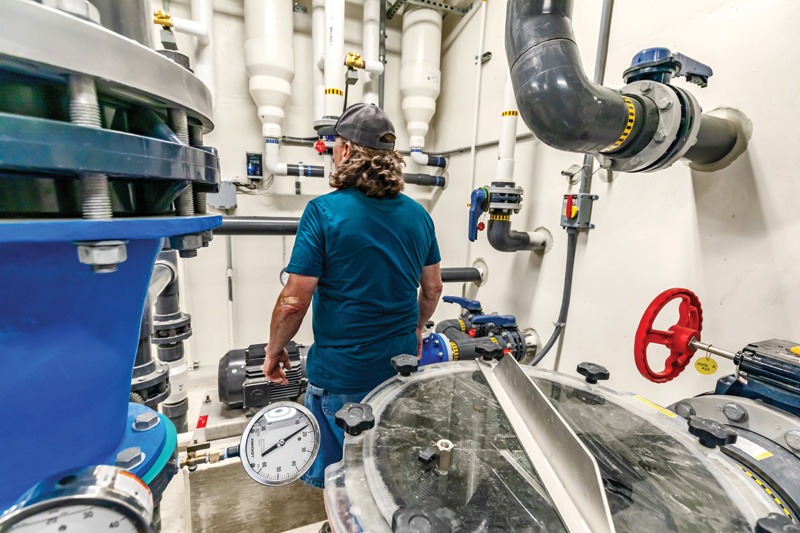
Every community pool has a story. Some hold memories of early-morning swim practices. Some are where children take their first strokes. Others are gathering places where seniors stay active and connected. These facilities shape daily life more than most people realize, yet their long-term success depends on something that often receives far less attention than construction or programming. That quiet foundation is preventive maintenance.
Preventive maintenance in aquatic facilities means taking a proactive, scheduled approach to caring for pools, equipment, and water systems—before problems occur. Rather than reacting to failures, closures, or safety issues, preventive maintenance focuses on regular inspections, testing, cleaning, adjustments, and component servicing to keep systems operating efficiently and safely.
In practice, this includes routine water quality monitoring, equipment checks, filter and pump maintenance, chemical system calibration, and early detection of wear or imbalance. The result is fewer emergency repairs, reduced downtime, longer equipment life, safer water conditions, and more predictable operating costs, helping facilities remain open, compliant, and reliable for their users.
The reality is simple. A pool that is not maintained cannot serve its community. When a facility goes offline unexpectedly, the impact ripples far beyond the mechanical room. Athletes lose training time. Families lose swim lessons. Recreation departments lose trust. These disruptions are preventable when facilities shift from reacting to problems to anticipating them.
A common avoidable shutdown occurs when a chemical feeder slowly clogs or degrades, reducing chlorine output until water chemistry falls out of compliance and the pool is forced to close. With proactive maintenance, routine inspections, and cleaning, the issue can be identified early and corrected before it affects water chemistry. The result is fewer emergency closures, safer water, and uninterrupted operations.
What operators see behind the scenes
Unlike most public amenities, aquatic systems operate continuously. Pumps move thousands of gallons of water. Filters remove contaminants throughout the day. Chemical feed systems adjust constantly to maintain balance. Each part works in an environment where moisture, heat, and pressure are constant.
Aquatic systems are uniquely demanding because they operate continuously in a corrosive environment where water quality directly affects public health. Unlike most municipal assets (such as buildings and parks), pools rely on tightly balanced mechanical and chemical systems that must perform consistently to remain open and compliant.
This makes aquatic facilities uniquely vulnerable to small issues that can escalate quickly. A chemical imbalance may begin as a minor adjustment but can lead to surface degradation. A subtle change in pump performance may signal mechanical wear. A filtration system running harder than usual may be compensating for unseen blockages.
Operators who recognize these early indicators tend to face fewer emergencies. They also plan more effectively, communicate more clearly, and deliver more reliable service to their communities.
Operators most effectively identify early warning signs through consistent water testing and logging, routine equipment inspections, and trend tracking of pressure, flow, and chemical demand. Ongoing staff training ensures teams recognize subtle changes before they become failures, while service reports and performance data help reveal patterns over time. Together, these tools turn day-to-day observations into actionable insights that prevent disruptions.
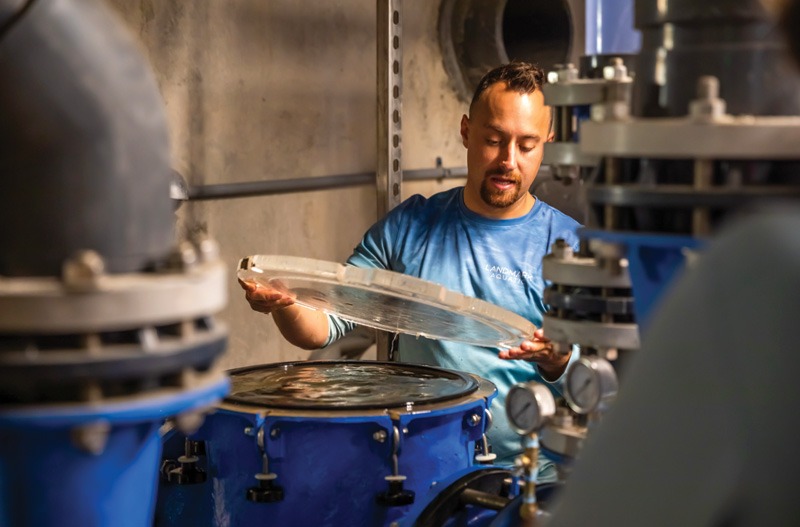
Reliable preventive maintenance helps ensure aquatic facilities remain open, safe, and available for the programs and communities that depend on them.
The value of scheduled assessments
Scheduled assessments give facility leaders a comprehensive understanding of how their systems are performing. These evaluations establish measurable benchmarks that make it easier to spot changes over time.
Scheduled assessments are typically performed quarterly, while higher-use or competitive facilities benefit from weekly or monthly evaluations. Frequency often varies by facility size, bather load, and programming intensity, with heavier usage requiring more frequent review to maintain performance and compliance.
Assessments support:
- More stable water quality
- More efficient system performance
- Fewer unexpected closures
- Clearer long-term financial planning
Most importantly, they help operators identify patterns before they become problems. When paired with routine servicing and accurate record-keeping, these assessments form the backbone of a healthy aquatic facility.
Accurate record-keeping in aquatic facilities involves consistently documenting water chemistry readings, equipment performance, maintenance actions, and inspections in a clear and organized log. These records enable operators to identify trends, demonstrate compliance, and make informed decisions before small issues escalate into major problems.
| Five early warning signs every facility should monitor |
Cloudiness often indicates filtration issues, circulation imbalance, Operators should pair visual checks with consistent testing protocols, as many water quality and equipment issues develop well before they become visible. Combining routine inspections with documented testing provides a more reliable, compliant, and proactive approach to facility management. |
Higher amperage or unusual vibration can indicate mechanical stress. Addressing it early can prevent complete pump failure. The most effective tools include basic motor current monitors, variable frequency drive (VFD) readouts, and simple vibration sensors or handheld vibration meters. |
A gradual rise in pressure often indicates blockages or overdue cleaning. Efficient filtration depends on prompt action. Rising filter pressure should trigger immediate intervention when readings increase by eight to 10 PSI above the established clean baseline or change rapidly over a short period. Acting at this point helps prevent flow loss, water quality issues, and unnecessary strain on pumps and equipment. |
Sharp increases or decreases in chemical use can reveal malfunctions in feed systems, sensor issues, or new environmental factors affecting the water. Facilities can distinguish between these by comparing current readings against established baselines and historical trends rather than relying on single data points. Seasonal changes tend to be gradual and predictable, while true system issues show abnormal |
Hotter or more humid conditions than usual can degrade equipment performance and accelerate wear. Monitoring the space helps protect system components. For commercial aquatic mechanical rooms, best practice is to maintain temperatures between 16–29 C (60–85 F) and keep relative humidity below 60 per cent. Sustained conditions outside these ranges can accelerate corrosion, shorten equipment lifespan, and increase the risk of electrical or control system issues. |
Preparing for seasonal demands
Seasonal shifts place extra stress on equipment. Recreation centres that experience heavy summer use often prepare by reviewing system capacity, inspecting mechanical components, and verifying that everything is operating as intended before attendance surges.
Commonly missed tasks include:
- Pre-season calibration of feeders and chemical systems, which can contribute to early-season chemistry instability
- Pump seal, gasket, and O-ring inspections, which may fail under increased summer demand
- Filter media inspection and cleaning, particularly before peak bather loads
- Heat exchanger and heater servicing ahead of seasonal temperature shifts
- Winterization planning or de-winterization checks, depending on climate and facility type
Addressing these items seasonally helps prevent breakdowns during peak operating periods, when downtime is most disruptive. This preparation also prevents mid-season interruptions and protects the programs that rely on consistent access.
Facilities that plan seasonally experience fewer emergency closures, lower repair costs, and more consistent water quality, while those that do not often face reactive fixes, higher downtime, and avoidable budget surprises.
Planning ahead protects budgets
Every operator knows how disruptive unplanned repairs can be. They are costly, difficult to schedule, and often require immediate action. Long-term forecasting helps facility leaders anticipate when major components may reach the end of their useful life. This enables thoughtful budgeting, fewer surprises, and transparent communication with boards, councils, and stakeholders.
Commonly underestimated components include chemical feed systems, circulation pumps, filter media, heaters, and control systems, all of which experience continuous wear in harsh aquatic environments. Facility finishes, such as decking, grates, and pool surfaces, are also often overlooked despite their direct impact on safety, compliance, and long-term capital planning.
Forecasting also helps communities understand the full life-cycle of their aquatic investment. It allows leaders to weigh capital needs with clarity rather than urgency.
Operators can communicate life-cycle costs most effectively by linking equipment condition and replacement timelines to clear impacts on safety, uptime, and budget risk.
Why consistency builds community confidence
Pools are more than infrastructure. They are public commitments. When they operate consistently, they demonstrate reliability. When closures become frequent, confidence begins to erode.
Facilities that operate reliably and avoid unexpected closures consistently see higher community participation, stronger program enrolment, and greater public trust.
Preventive maintenance safeguards the programs people count on, including:
- Swim lessons
- Water safety instruction
- Competitive training
- Senior fitness
- Family recreation
Communities notice when a pool runs smoothly. They notice even more when it does not.
A collective responsibility
Preventive maintenance succeeds when everyone involved shares a common vision for long-term reliability. Operators, maintenance teams, and leadership all contribute to a facility’s stability. Construction may make a pool possible, but maintenance is what keeps it a resource for decades.
Leadership teams can support maintenance staff by prioritizing preventive maintenance, providing proper training and tools, and establishing clear communication pathways that align daily operations with long-term facility goals.
As maintenance programs mature, many facilities are rethinking how preventive maintenance is carried out. Emerging technologies and practices are changing how aquatic facilities monitor performance, identify issues, and maintain long-term reliability.
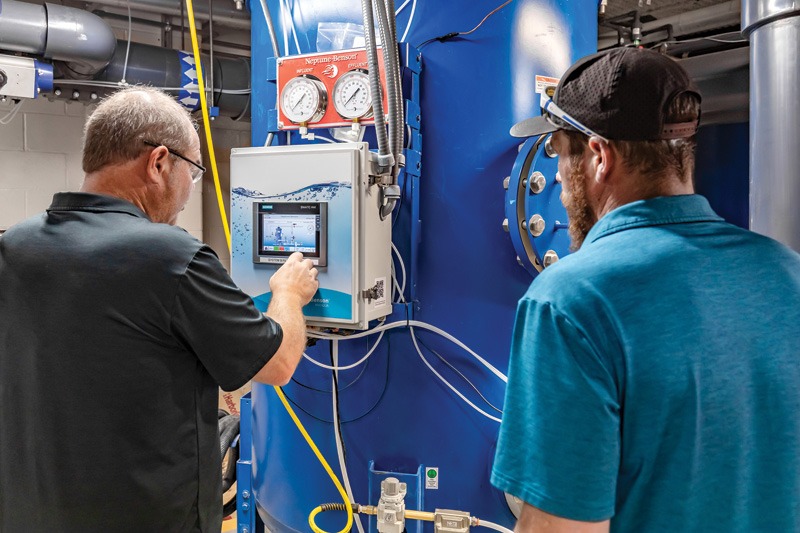
Commercial facilities are seeing measurable improvements through automated self-monitoring of water quality, advanced filtration systems that reduce manual intervention, and more structured inspection programs. Tools such as QR code–based access to inspection records or service information help teams identify issues earlier and improve overall system reliability.
Reliable aquatic programs depend on reliable aquatic systems. Preventive maintenance is the quiet structure that keeps the doors open and the water moving.
Scheduled assessments and routine servicing support stable water quality, efficient system performance, and fewer emergency repairs.
Author

Myles Phelps is the vice president of Strategic Partnerships for Landmark Aquatic, a nationwide provider of commercial aquatic facility design, construction, and maintenance services. An aquatics industry veteran, Phelps has over 14 years of experience which began behind the wheel of a chemical truck allowing him to offer a deep understanding of what it takes to keep aquatic facilities thriving. He can be reached via email at mphelps@landmarkaquatic.com.
Sign up for our newsletter
Get all the latest news and features from Pool & Spa Marketing. Submit your email below to get our twice-monthly newsletter.
Products
Read the Latest Issue