
Why battery-powered pool vacuums are a must for today’s service pros
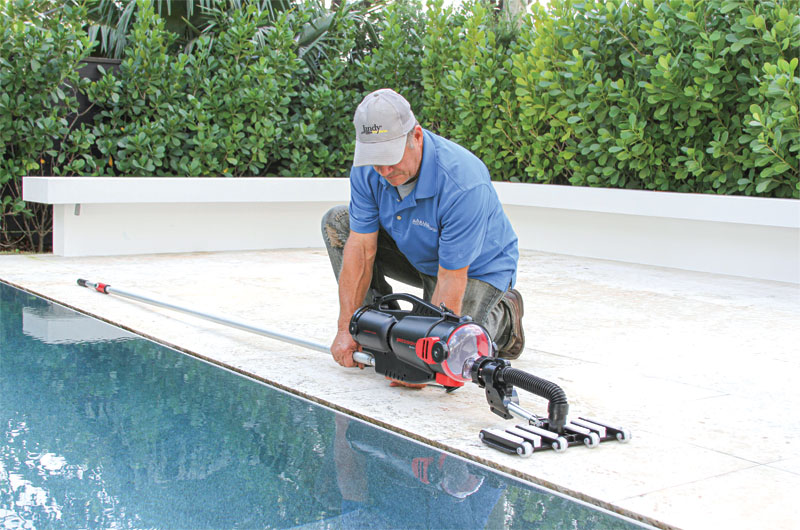
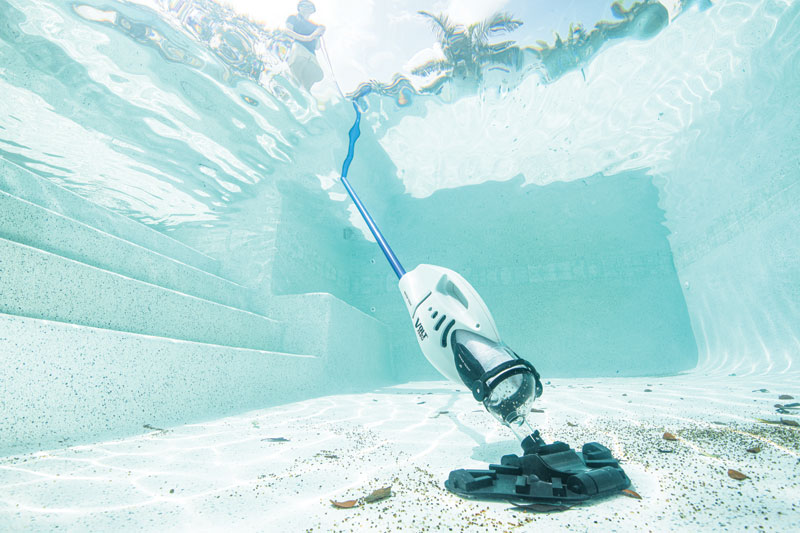
Portable, battery-operated vacuums have evolved from a convenience to an essential tool for pool service technicians. By reducing setup time and physical strain, they support more efficient routes and create opportunities to expand service offerings. They are also used to expand capacity on service routes by reducing time spent on setup and handling.
Experienced technicians often point to advances in equipment as a major shift in how work is completed. The move from hose-based systems to lightweight, cordless units has improved mobility and reduced labour demands.
“I’m 72 years old, and I still work 12 hours a day cleaning pools, but I couldn’t get through my day without a battery-operated pool cleaner,” says Karen Whitton, a.k.a. “The Pool Lady.” “Traditional cleaners with all those hoses are incredibly heavy and cumbersome, and it takes so much time just to carry them to the pool, then hook them up before you can even get started cleaning.”
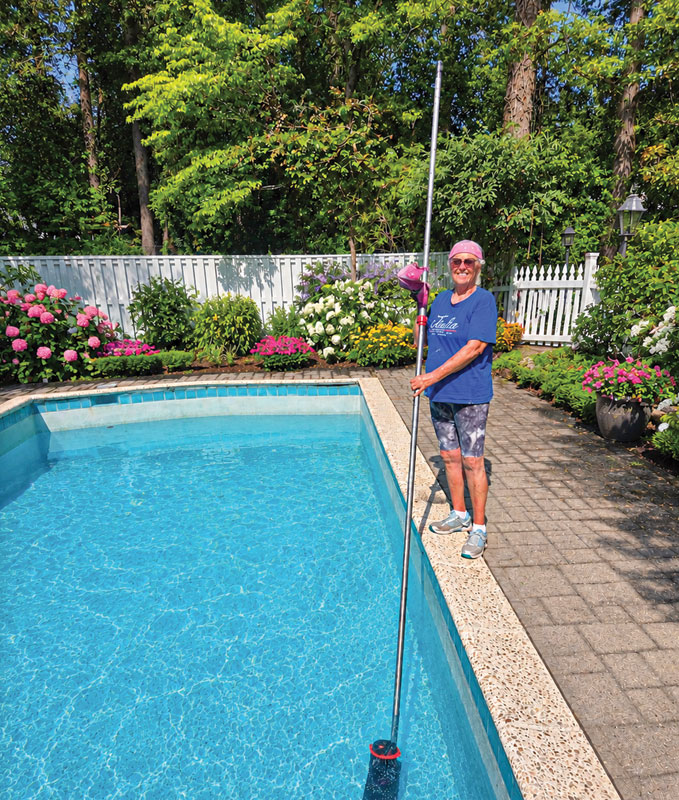
Battery-powered, handheld vacuums address common challenges encountered on service routes. Their independence from pool systems allows cleaning to occur alongside maintenance tasks such as pump or motor servicing, improving workflow efficiency. It also allows technicians to sequence their work differently, prioritizing cleaning or repairs based on site conditions rather than being tied to system operation. This added flexibility can help streamline more complex service calls.
“For example, I now have a helper who uses the battery-powered cleaner to clean the pool while I work on the pump,” says Whitton. “That is something you can’t do with a traditional hose cleaner because it requires the use of the pump.”
What sets battery-powered vacuums apart
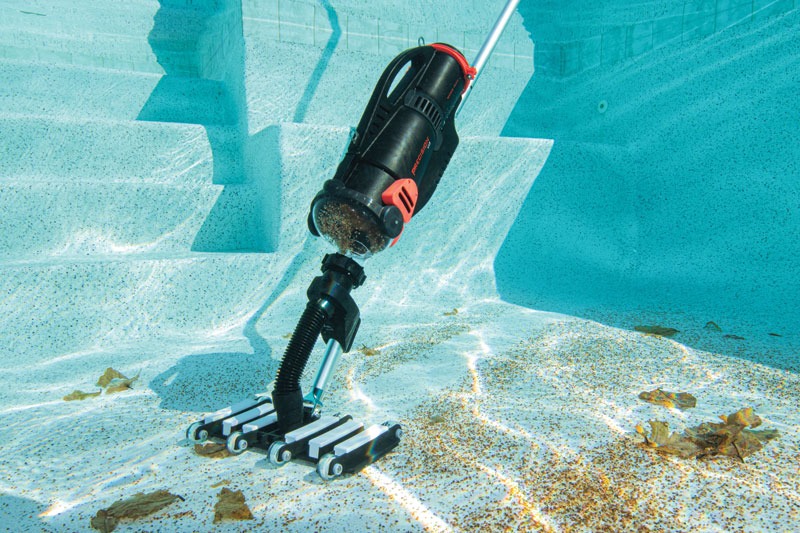
Manufacturers have expanded their offerings to include a range of portable units suited to different cleaning needs, from light-duty spot cleaning to heavy-duty debris removal. Interchangeable debris bags support the removal of both fine particles and larger material. Available configurations include units designed for spot cleaning, standard residential service, and removal of heavier debris. Technicians often select models based on how consistent or varied their routes are, with some favouring versatile units that can handle a range of conditions without switching equipment. This can reduce the need to carry multiple specialized tools.
Cordless vacuums also reach areas often missed by traditional systems, including steps, corners, benches, and shallow-end transitions.
“Traditional pool cleaners make it difficult to get into tight corners, especially around step areas, but those are the areas that get the dirtiest. These areas are often the most noticeable to pool owners, particularly in shallow sections,” says Whitton.
Use across every service stop
For many technicians, handheld vacuums are no longer reserved for problem situations. Service routes can include eight to 12 pools per day, reducing setup time and handling significantly over the course of a shift. Instead, they are integrated into daily service routines to improve efficiency and reduce physical strain.
Automatic cleaners perform well in open floor areas but are less effective in confined or detailed sections of the pool (i.e. steps, benches, seats, and shallow-end transitions). A handheld unit enables targeted cleaning without the setup required for hose-based systems, allowing technicians to maintain consistent results across all pool areas.
Spas are a frequent use case because debris is more visible in smaller bodies of water; maintaining a clean appearance during each visit is especially important. Compact, battery-powered portable vacuums allow quick removal of visible debris in small, high-traffic areas, helping achieve a more polished finish during routine service visits.
The hidden revenue opportunity
Some service companies estimate time savings of up to 10 minutes per pool. While this can shorten routes, it also allows technicians to assess equipment conditions and engage with clients. It also allows time to inspect equipment and note issues that may require repair or replacement.
“Not only have I discovered that equipment isn’t working properly, but I have also learned that clients are interested in solutions they see being used during service,” says Whitton.
Additional time on-site can help identify maintenance needs or upgrade opportunities, including pumps, filtration systems, or sanitation equipment. This shift supports a more consultative service approach, where technicians contribute to both maintenance and revenue generation.
Over multiple service calls, incremental time savings can translate into significant operational gains. Technicians are better positioned to monitor system performance, recommend replacements, and proactively maintain equipment.
Application across environments
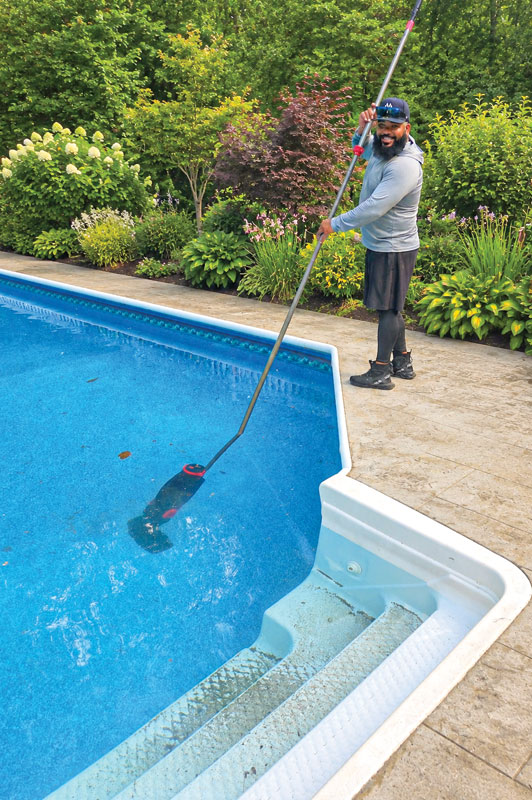
Portable vacuums are effective across a range of operating conditions. Debris can range from fine sand and silt to organic material such as leaves, needles, and other particulate matter. In coastal areas, they assist with removing sand and fine debris. In dry or windy regions, they address frequent dust and particulate matter accumulation.
Tree-heavy neighbourhoods present additional challenges, including organic debris such as leaves and needles. Interchangeable filtration options allow technicians to adapt to these varying conditions.
Event-driven cleanups also benefit from portable systems. This is particularly relevant when pools must be restored quickly following weather events or in preparation for gatherings. Battery-powered vacuums can restore conditions quickly and efficiently.
Best practices for keeping units ready
-
Charge units at the end of each day
-
Keep spare batteries ready
-
Store accessories in a consistent location
-
Use in-vehicle charging when needed
-
Maintain organization to avoid downtime
Maintenance and organization
Consistent maintenance practices are essential to maximizing performance. This includes regular charging, keeping spare batteries available, and ensuring equipment is organized within the service vehicle. For companies with multiple technicians, establishing consistent routines across teams helps ensure equipment is used and maintained consistently, reducing variability in service quality.
“We always charge every evening so the unit is ready to go all day the next day,” says Whitton.
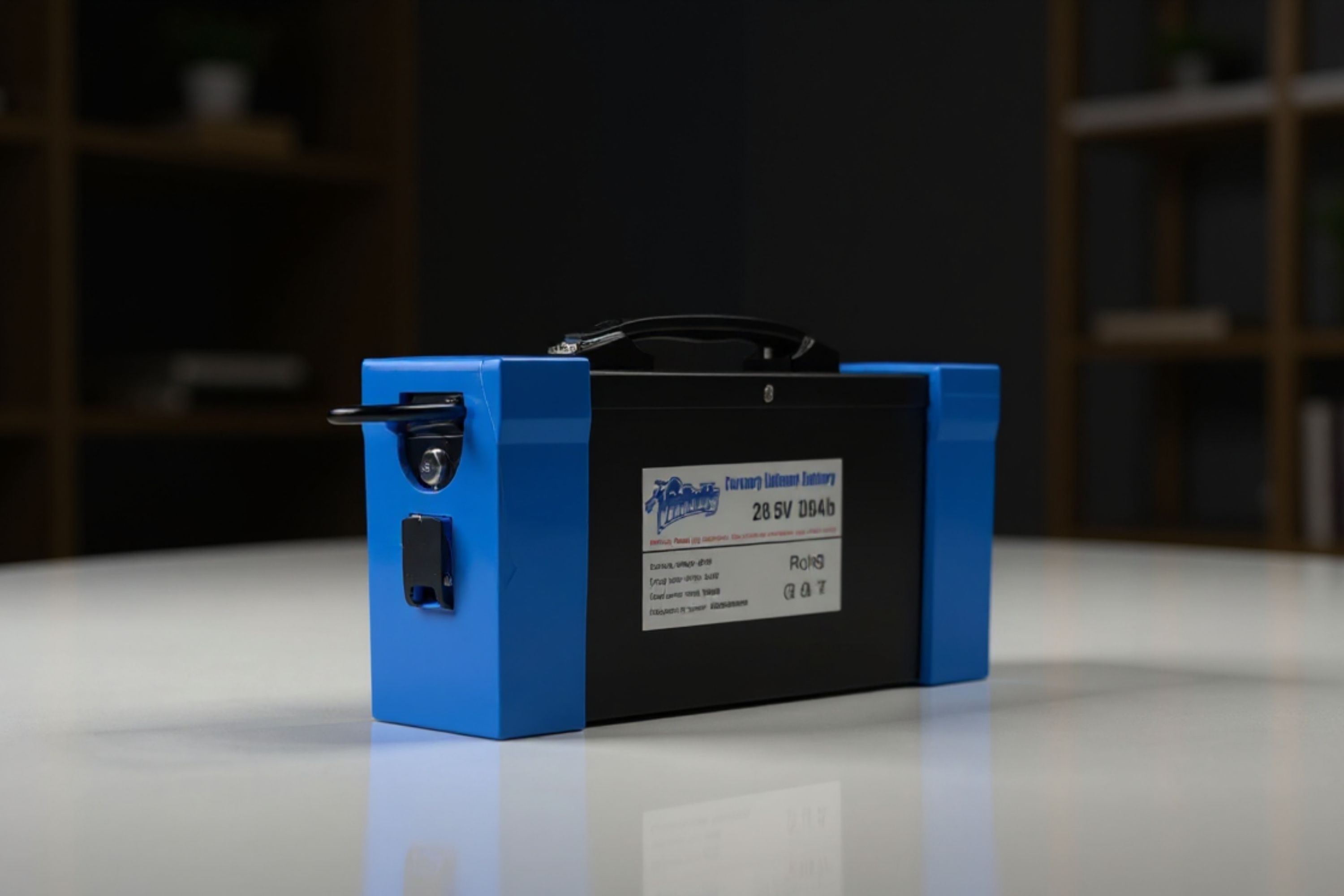
Many battery-powered pool cleaners often come with two lithium batteries, a wall charger, a car charger, three high-volume discharge valves, three high-volume filter bags, two vacuum heads, and a shoulder strap, allowing technicians to maintain continuous operation throughout the day.
In-route charging can help prevent downtime during peak service periods. The battery lasts at least two hours of continuous runtime, and the car charger is particularly practical: a technician can top off the spare battery between stops, ensuring there is always a fully charged battery available when the primary battery runs down mid-route. During peak season, when routes are dense and downtime is not an option, that kind of operational discipline makes a measurable difference.
A tool that earns its place on every route
Battery-powered vacuums offer both operational and strategic value. They reduce time spent on setup and breakdown while enabling technicians to focus on service quality, equipment assessment, and client interaction.
For service companies, this shift supports a more efficient and proactive business model. Time saved during cleaning can be reinvested into higher-value activities that improve both service outcomes and revenue potential.
“Having time to chat with clients is invaluable and not always measurable,” says Whitton. “I’ve been doing this job for more than 30 years and using these cleaners for over 16 years, and the extra time I gain on the job site lets me get to know my clients and their families better.”
Battery-powered pool vacuums are no longer a gadget or a novelty. They represent a practical advancement in service efficiency, supporting both day-to-day operations and long-term business growth. In today’s competitive market, it is worth asking professionals who have not made the switch: What are you doing with those extra 10 minutes?
Author

Guy Erlich is the founder and president of Water Tech Corp., a manufacturer of a variety of hoseless, battery-powered pool and hot tub cleaner brands based in East Brunswick, N.J. He can be reached via email at guy@watertechcorp.com.
Sign up for our newsletter
Get all the latest news and features from Pool & Spa Marketing. Submit your email below to get our twice-monthly newsletter.


Read the Latest Issue