
Water safety highlighted ahead of Drowning Prevention Week
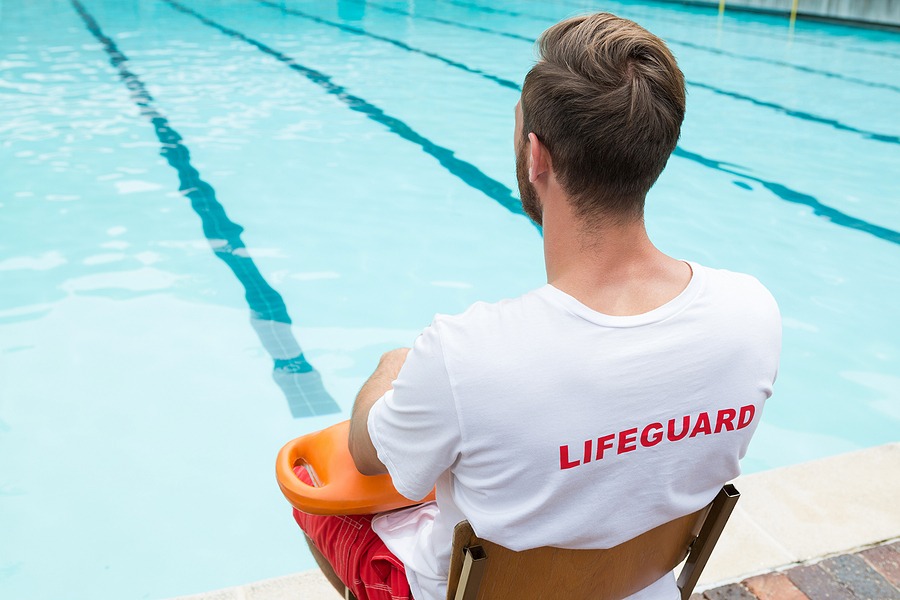
As Canadians prepare for the busiest weeks of the swimming season, water safety organizations are urging families to plan ahead and take simple steps to prevent drowning. National Drowning Prevention Week runs from July 19–27, and both British Swim School and the Lifesaving Society are using the annual campaign to promote swimming skills, active supervision, and emergency preparedness.
The organizations warn that drowning rates typically increase during the peak summer months. In Canada, drowning incidents often occur on weekends in July and August, when more people head to pools, lakes, rivers, and beaches.
“Drowning prevention starts with education,” says Melissa McGarvey, vice-president of aquatics at British Swim School. “We believe everyone should have access to essential water safety and survival skills.”
The Lifesaving Society is encouraging Canadians to “Prepare to be Water Smart” before leaving home. The organization says families should choose lifeguard-supervised swimming areas whenever possible, discuss a safety plan, wear properly fitted lifejackets, pack essential safety equipment, and ensure everyone has the skills needed to stay safe in and around the water.
British Swim School is also raising awareness about common misconceptions. Drowning is often silent and can happen within seconds, even when other people are nearby. A person can drown in less than 60 seconds and in as little as 50 mm (2 in) of water if they cannot recover.
British Swim School reports that nearly 80 per cent of drowning victims are male. It attributes the higher risk to greater exposure to water, risk-taking behaviour, and alcohol use. More than half of fatal and non-fatal drownings among people aged 15 and older occur in open water, including lakes, rivers, and oceans.
Safety equipment
The Lifesaving Society advises families to choose lifeguard-supervised swimming areas whenever possible, wear properly fitted lifejackets while boating, swim with a buddy, and discuss a safety plan before leaving home. It also recommends packing essential safety equipment, including a first aid kit, whistle, throw rope, and activity-specific boating gear.
The Society notes that failing to wear a lifejacket remains one of the leading risk factors in boating deaths. It says 92 per cent of people who drowned while boating were not wearing a lifejacket. It also reports that alcohol contributes to 30 per cent of recreational boating fatalities and 26 per cent of swimming deaths. For children under five, absent or distracted adult supervision is a factor in 98 per cent of drowning fatalities.
“Water safety starts before you leave the house,” says the Society’s Stephanie Bakalar. “It’s about planning ahead, understanding the risks, and making sure you have the gear, tools, and skills to stay safe.”
The organizations are encouraging families, pool owners, and aquatic facility operators to make swimming lessons and water safety education a priority this summer. They also recommend active supervision, learning the signs of drowning, wearing Coast Guard-approved lifejackets, and completing emergency response training.
They also encouraged Canadians to learn to swim, meet the Swim to Survive standard, and take first aid, CPR, and lifesaving courses.
Sign up for our newsletter
Get all the latest news and features from Pool & Spa Marketing. Submit your email below to get our twice-monthly newsletter.
Read the Latest Issue