
Transforming pool water management: The rise of stand-alone pH and ORP controllers
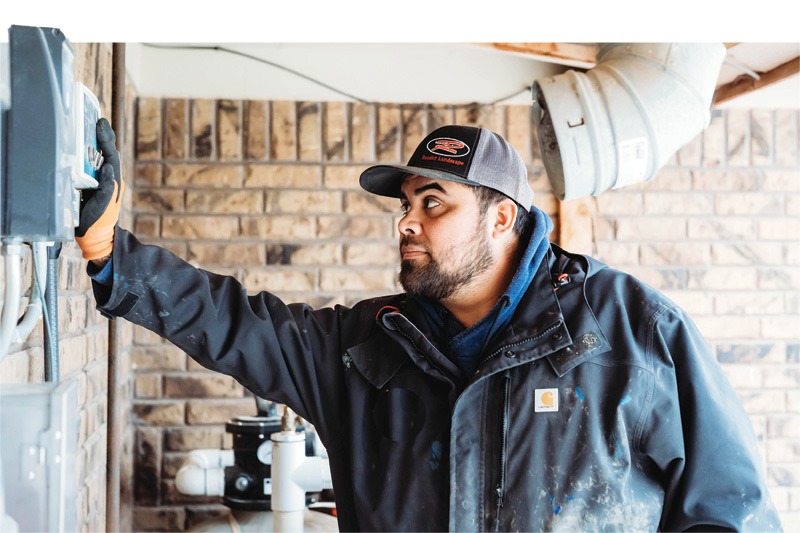
Maintaining pool water in proper balance has always been one of the most time-consuming tasks for both pool service technicians and homeowners. Maintaining optimal pH and oxidation-reduction potential (ORP) levels is essential for ensuring swimmer comfort, maximizing sanitizer efficiency, extending equipment longevity, and maintaining overall water clarity. Historically, chemical automation systems capable of accurately monitoring and dosing water were often complex, expensive, and designed primarily for commercial installations or advanced automation panels.
However, recent advances in sensor technology, microelectronics, and wireless connectivity have ushered in a new generation of simple, stand-alone pH and ORP controllers. These units are specifically engineered for residential use, offering accuracy comparable to high-end commercial systems but with streamlined installation, intuitive app-based monitoring, and far more accessible pricing. As a result, pool service technicians now have a powerful new tool that allows them to maintain water chemistry more effectively—both during service visits and in the days between them.
A new era of chemical automation
Traditional chemical controllers often required integration with a larger automation system and a higher price tag. This discouraged many homeowners from adopting automated water management and made the equipment difficult for technicians to sell.
“Our company has installed pH and ORP controllers in the past, but they have always been expensive and work best when coupled with other equipment like chlorinators,” says Josh Nelson, owner of the service company 4G Nelson Pools. “And because of the price point, it wasn’t easy for us to talk our customers into adding one of these units to the pool.”
However, Nelson recently discovered that new technological advances have brought simple, stand-alone pH and ORP controllers to the market, which not only measure pH and ORP but also provide the capability to dose the pool water as needed.
“Having a unit that both measures and doses makes it an incredible tool for our service offering,” says Nelson. “The best thing about it is that it has a lower price point, making it much easier to sell and install on most of the pools that we service.”
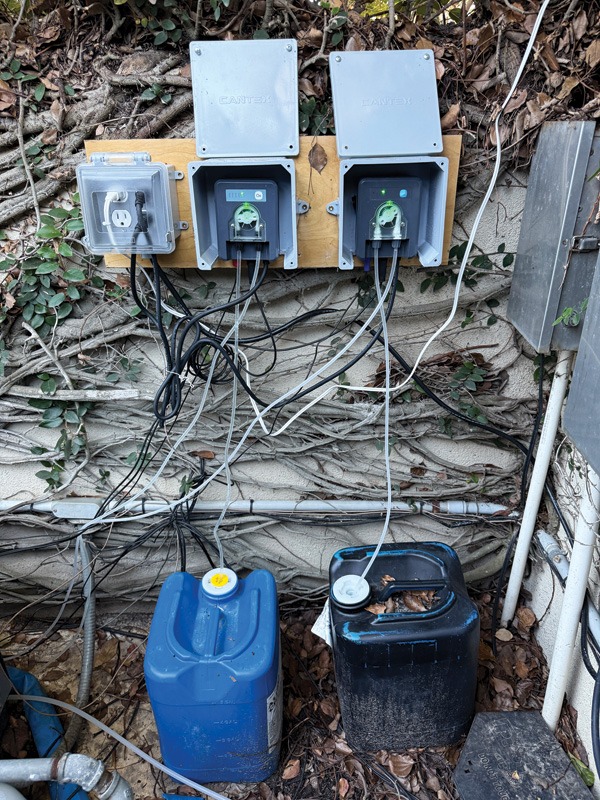
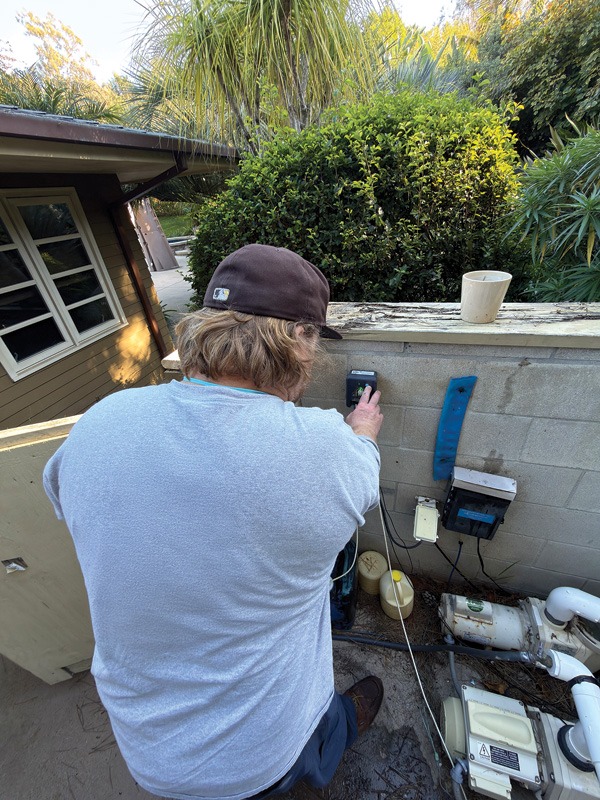
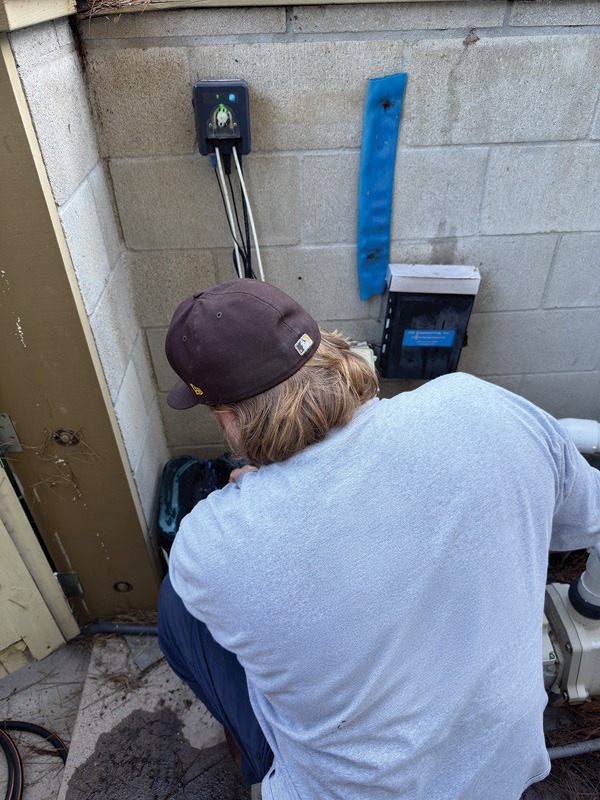
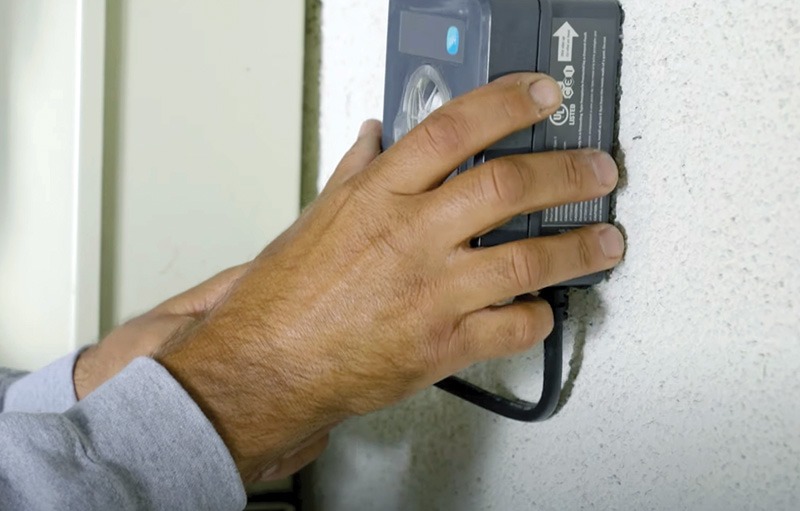
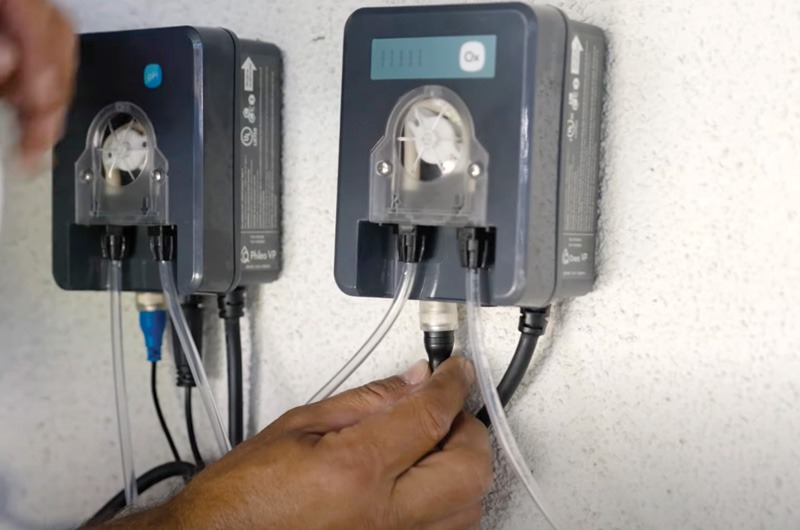
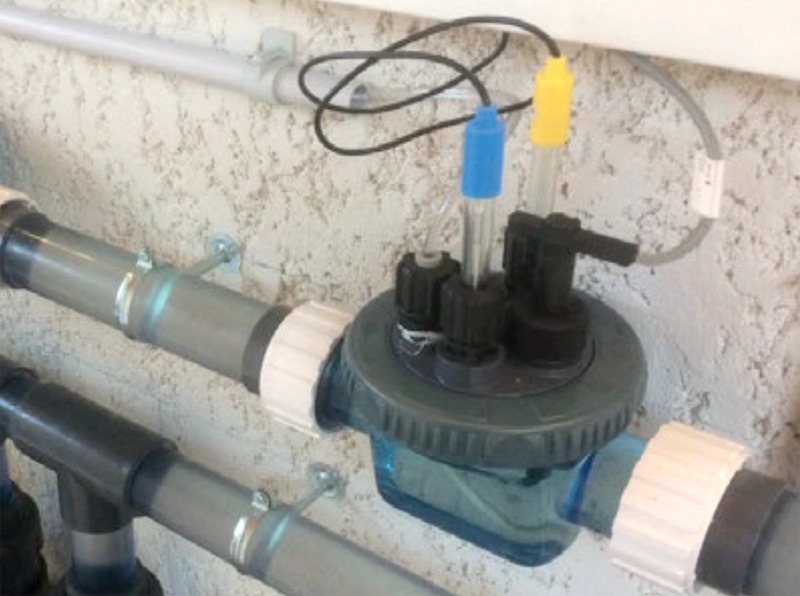
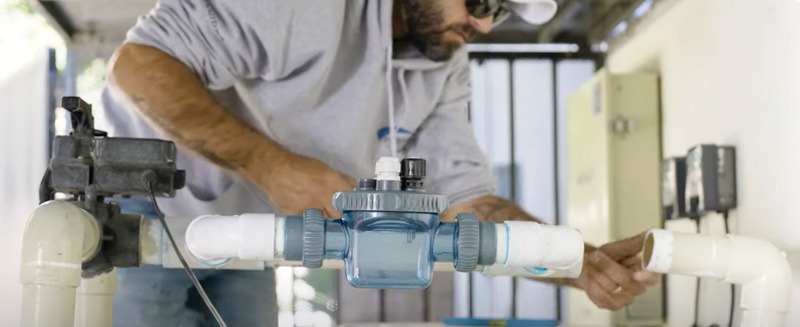
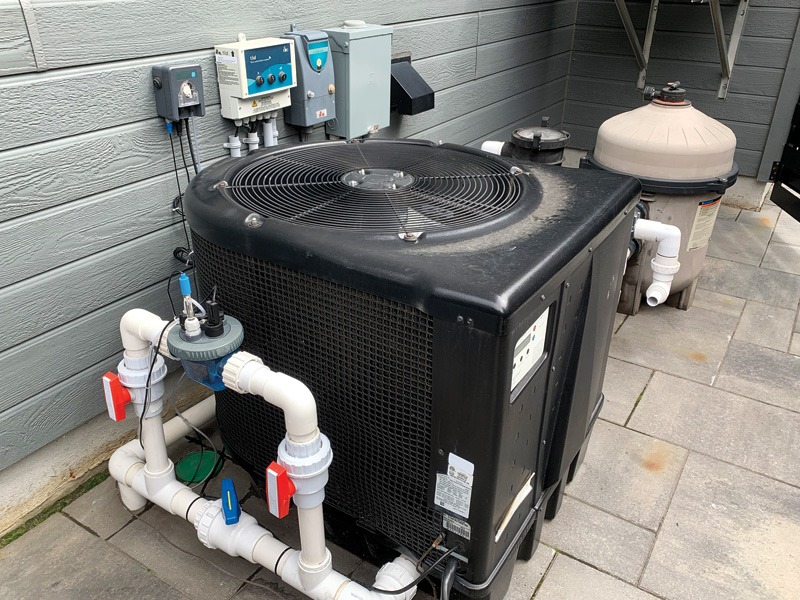
Many service technicians note that some of the latest stand-alone controllers have altered their approach to selling and installing pH and ORP systems for residential pools. Thanks to improvements in microprocessors, sensor coatings, and firmware, these compact devices combine everything needed—probes, dosing capability, control logic—into a single, self-contained system. There is no need to purchase or connect a full automation panel. Techs mount the unit at the equipment pad, install the sensors in the plumbing, set dosing limits, and the controller handles the rest. Nelson also notes that replacement parts for the newer units are significantly more cost-effective.
“If you need a replacement sensor for these new units, you are looking at $47 to $56 CAD ($35 to $40 USD) compared to $207 to $276 CAD ($150 to $200 USD) for the traditional, more commercial-grade units that have been on the market,” says Nelson. “This makes these products perfect for residential pool service, as you can actually put a few extra sensors on your service truck for when you need them.”
These residential systems still provide the essential functionality, which includes:
- Continuous real-time monitoring of pH and ORP
- Precise dosing of acid, liquid chlorine, CO2, or liquid feed sanitizers
- Built-in alarms and safety shutdowns
- Calibration reminders and probe-health diagnostics
- Wireless connectivity for remote monitoring with an app
Despite their simplified design, the underlying technology is not simplistic. Modern pH and ORP probes are more stable and require less frequent calibration. Digital signal processing helps filter noise and produce more reliable readings. Temperature compensation is now standard on many models, ensuring that chemical levels remain correct under varying weather conditions.
In short, these controllers offer the accuracy and control that were once available only to commercial pools—now in a package designed for residential backyards.
Stand-alone design: A game-changer for technicians
The independence from major automation platforms is one of the biggest reasons these new systems are gaining rapid popularity. Since these controllers operate independently of automation systems, homeowners can add chemical control without needing to invest in additional equipment.
“In our area, we have this problem with always controlling the pH, especially with pools that use salt chlorine generators, and it’s such a chore to be adding acid manually,” says Nelson. “The new pH units that both sense and dispense have really been a game changer for us.”
For pool service technicians, this independence factor means:
- Faster installation—No electrical system integration with automation panels.
- Broader compatibility—Works with any pump, filter, or heater setup.
- Ideal for retrofits—A clean and easy upgrade without major equipment replacement needed.
Even more importantly, these stand-alone units give technicians control over the water chemistry independent of whatever equipment the homeowner already has. This flexibility makes chemical automation accessible to customers who want more stable water chemistry without upgrading their entire equipment pad.
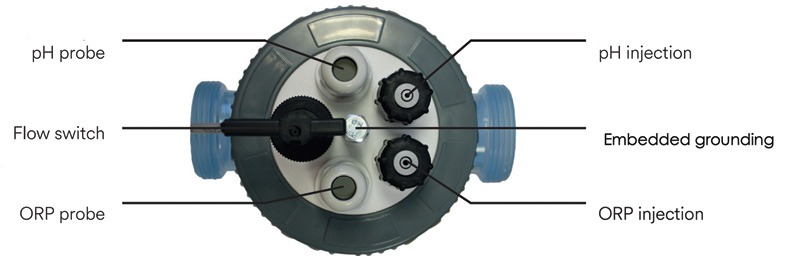
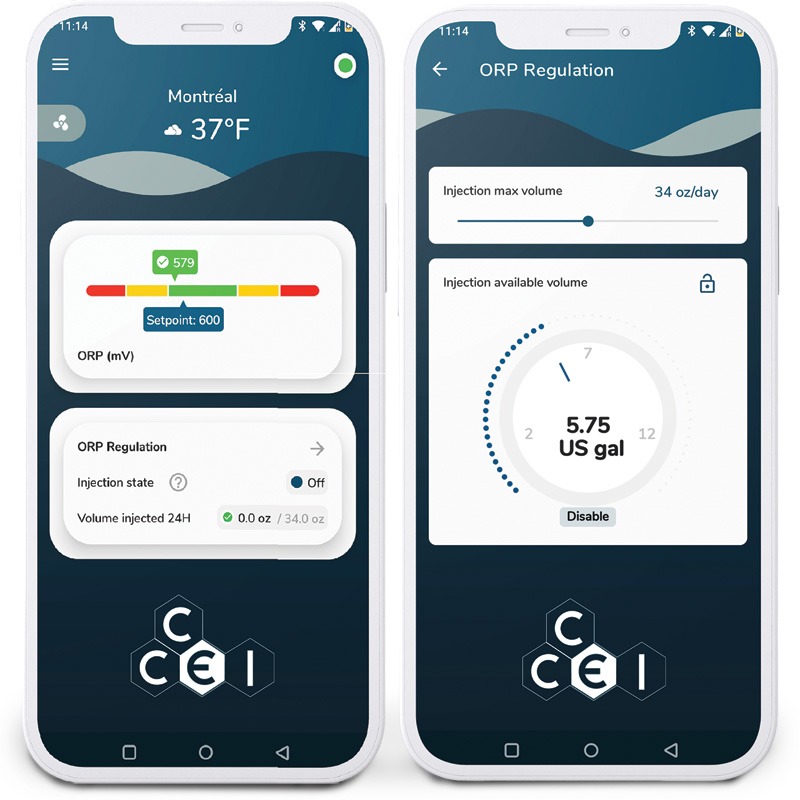
“These units offer a simple flow indicator in the app that other more expensive systems don’t offer,” says Nelson. “Being able to see if the water isn’t flowing tells me there is problem without having to wait for the next service call to find out and I can prioritize that job. While I’m checking the chemical readings in the app I can quickly see if the pump is operating normally with the flow sensor, which saves us time and ensures possible problems don’t get out of hand.”
Competitive pricing accelerates adoption
One of the most significant drivers of the recent boom in stand-alone pH and ORP controllers is pricing. Where older systems could cost thousands of dollars before installation, the newest units are far more affordable thanks to lower-cost sensors, standardized components, and more efficient manufacturing.
“So far, I have about 30 per cent of my clients who have agreed to have me install this new, simpler pH monitoring and dosing system,” says Nelson. “As newer units are priced far lower than traditional systems and help reduce chemical usage, they are much easier for technicians to recommend and homeowners to approve.”
This competitive pricing dramatically shifts the conversation for pool service techs. Instead of positioning automation as a “luxury” add-on, techs can now present it as a practical improvement that supports:
- More consistent sanitizer levels
- Lower chemical usage overall
- Fewer algae outbreaks
- Better swimmer comfort
- Protection of heaters, pumps, and salt cells
The reduced cost benefits both homeowners, who can justify the investment more easily, and technicians, who see a higher success rate when proposing automation upgrades. With a relatively small upfront investment and minimal installation time, both service companies and homeowners see fast, tangible benefits.
“I’m lucky that I have a lot of longtime customers. Once they understand how pH control improves water quality and reduces issues like scaling and algae, they are generally quick to approve the upgrade,” says Nelson.
App-based monitoring keeps water balanced between visits
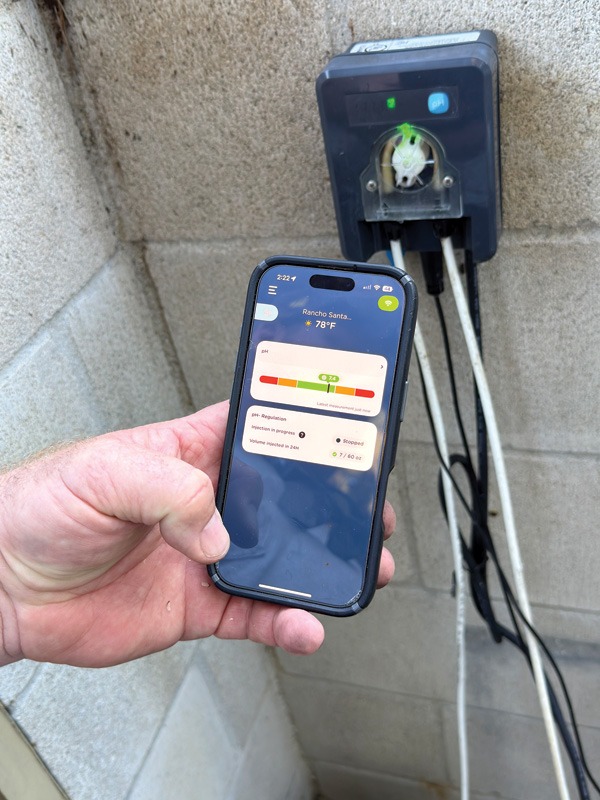
Perhaps the most revolutionary aspect of these newer controllers is the integration of mobile apps, which enable real-time monitoring and alerts. Instead of relying solely on weekly or bi-weekly service visits, technicians can monitor the chemistry fluctuations throughout the week and act proactively if anything goes out of range.
“These units just give me more peace of mind, especially because I can monitor my clients’ pools online,” says Nelson. “Remote monitoring provides early alerts about issues such as imbalanced chemistry or lack of flow, enabling technicians to address problems before they escalate.”
This integrated connectivity offers several advantages, including:
- Immediate alerts—if pH drifts high or ORP drops suddenly, maybe due to heavy bather load, rain, or a failing pump, the system can send a notification instantly. Techs can respond before the issue becomes severe.
- Reduced emergency service calls—proactive alerts reduce the chance of green water, cloudy water, scaling, and corrosive conditions. Service technicians avoid last-minute, after-hours visits.
- Better water quality between visits—the days between service appointments are when chemistry problems often begin. Remote monitoring ensures that the chemical balance remains stable throughout the week, not just on service days.
- Efficient route management—technicians can check multiple pools from the app dashboard, prioritizing which locations need attention. This reduces unnecessary trips and increases overall service efficiency.
- Customer confidence—homeowners appreciate the peace of mind that comes from knowing their pool is continuously monitored, even when no one is physically present.
Overall, app-connected chemical controllers turn routine pool maintenance into an innovative, data-driven process, improving water quality while reducing labour.
Pool start-ups, too
When it comes to pools that have just been plastered or re-plastered, maintaining a perfectly balanced pH is crucial. If the pH gets out of control, it can be very problematic for the new plaster.
“My brother does pool construction, and I’ve been pushing it with him recently to try to include these, at least the pH units, as fresh plaster is highly sensitive to pH fluctuations, automated pH control helps prevent surface damage, and reduces the need for daily on-site testing.
Some builders of plaster pools ask Nelson to monitor the pH at their new job sites daily.
“But I have to tell them that I just can’t stop by daily, so instead they should include one of these new pH sensing and dispensing units in the price of the new plaster or new pool construction, as it’s totally worth it, as it gives you eyes on the pool virtually.”
Raising the standard of residential pool care
The arrival of simple, accurate, and competitively priced stand-alone pH and ORP controllers is reshaping expectations for pool care. What was once an advanced upgrade is quickly becoming a realistic standard for residential pools.
For technicians, these controllers increase service efficiency, reduce problem pools and repeat visits, improve customer satisfaction, and offer new revenue opportunities with minimal labour. For the pool owner, these units provide consistently balanced water, fewer chemical fluctuations, reduced chemical usage, clearer pool water, and long-term equipment protection.
Today’s advancements in chemical sensing and dispensing control mark the beginning of a new era in pool maintenance—one where smart sensors and intuitive apps help ensure that every pool stays clean, safe, and perfectly balanced throughout the week.
Author

Martin Grenier is the Canadian commercial sales manager for CCEI, a manufacturer of automation and controller systems in the United States and lighting systems in Canada, Mexico, Europe, and Africa. The company’s head office is located in France. Grenier has more than 10 years of experience in the swimming pool industry, having worked for Hayward for over seven years and held other positions in retail and distribution. He can be reached at mgrenier@ccei-pool.com.
Sign up for our newsletter
Get all the latest news and features from Pool & Spa Marketing. Submit your email below to get our twice-monthly newsletter.
Products

Read the Latest Issue